Short answer · Medically reviewed summary · Last updated: 2026-04-07
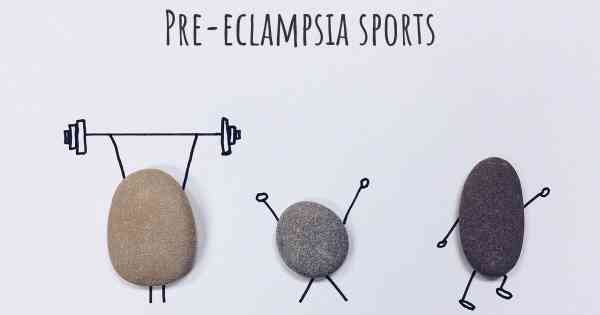
For individuals diagnosed with pre-eclampsia, physical activity is generally not recommended, and exercise must be strictly supervised by your obstetrician or maternal-fetal medicine specialist. Because pre-eclampsia involves elevated blood pressure and potential organ stress, any movement should focus on gentle, physician-cleared activity rather than traditional exercise training to ensure both maternal and fetal safety. Is exercise safe when diagnosed with pre-eclampsia? In the clinical context of pre-eclampsia, the priority is blood pressure stabilization and the prevention of seizures (eclampsia).
1 people with Pre-eclampsia have shared their first-person experience on this question at DiseaseMaps.
For individuals diagnosed with pre-eclampsia, physical activity is generally not recommended, and exercise must be strictly supervised by your obstetrician or maternal-fetal medicine specialist. Because pre-eclampsia involves elevated blood pressure and potential organ stress, any movement should focus on gentle, physician-cleared activity rather than traditional exercise training to ensure both maternal and fetal safety.
In the clinical context of pre-eclampsia, the priority is blood pressure stabilization and the prevention of seizures (eclampsia). Unlike healthy pregnancies where exercise is encouraged, a diagnosis of pre-eclampsia often necessitates activity restriction or bed rest, depending on the severity of your hypertension and laboratory findings. You must never begin or continue an exercise program without explicit clearance from your healthcare provider. For the 80 members of the DiseaseMaps.org community living with this condition, the consensus is clear: medical safety always overrides fitness goals during a flare or active diagnosis.
If your physician determines that your condition is stable enough for light movement, the goal is not "fitness" but rather gentle circulation to prevent complications like deep vein thrombosis (DVT). Activities that are typically approached with caution—and only under strict medical supervision—include:
When managing pre-eclampsia, you must avoid any activity that increases intra-abdominal pressure, spikes blood pressure, or compromises your balance. Avoid high-intensity interval training (HIIT), heavy weightlifting, or any exercise that requires lying flat on your back for extended periods, as this can compress the vena cava and reduce blood flow to the placenta. Any exercise that causes dizziness, shortness of breath, or visual disturbances is an immediate signal to stop.
Managing the unpredictable nature of pre-eclampsia requires a strategy of radical pacing. If you are experiencing symptoms like persistent headaches, swelling (edema), or epigastric pain, prioritize rest over all else. Use a "traffic light" system: if you feel "red" (symptoms present), perform no physical activity other than medically prescribed movements. If you feel "green," and your doctor has provided clearance, engage only in low-exertion, restorative movements that do not elevate your heart rate above resting levels.
A physical therapist specializing in pelvic floor or prenatal health can be a vital member of your care team. They can help you perform safe, non-strenuous movements that reduce musculoskeletal pain without placing stress on your cardiovascular system. They are trained to monitor for red-flag symptoms and can coordinate directly with your OB-GYN to ensure your movement plan is safe for your specific stage of pre-eclampsia.
Medical disclaimer: This information is for educational purposes only and does not replace professional medical advice, diagnosis, or treatment; always consult your healthcare provider regarding your specific pregnancy complications.