5
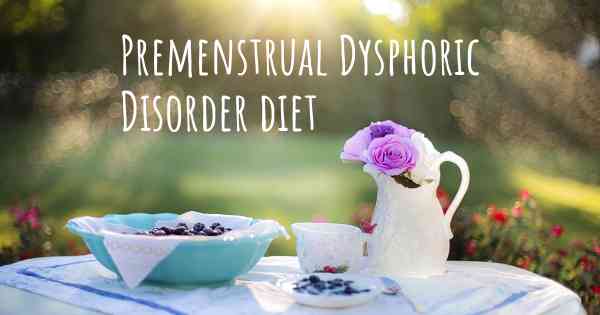
Premenstrual Dysphoric Disorder diet. Is there a diet which improves the quality of life of people with Premenstrual Dysphoric Disorder?
Diet and Premenstrual Dysphoric Disorder: foods that patients report help their quality of life, with a medically reviewed summary.
I believe caffeine makes it worse. If u stick to a healthy diet and reduce alcohol it may lessen symptoms. Lots of water
Posted Mar 2, 2017 by Kristina 1145
Avoid caffeine! It sets your anxiety off big time!
Posted Mar 2, 2017 by Natalie 505
I am not aware of anything proven to decrease PMDD symptoms. The common suggestions are to reduce caffeine, alcohol and maybe sugar. Also, it is recommended to take calcium and magnesium. I have tried the latter two and did not see a significant improvement in my symptoms, particular with respect to mood. However, everyone's biological make up is different and there are people who swear by diet and exercise remedies. I would suggest you try them individually for yourself to see if you get any relief.
Posted Mar 23, 2017 by HP 750
I drink caffeine as I need it when I am low, I never used to. I found I was happier and less hormones when I eat healthy and went the gym, there are many factors which could of caused me been happier. But, this has nothing to do with pmdd, it will not eliminate it, there needs to be more research in different areas.
I do recommended avoiding foods or drinks which cause energy as the lows will run in with pmdd and be worse. Caffeine for me on an off day doesn't really do anything at all too my energy level physically.
I do recommended avoiding foods or drinks which cause energy as the lows will run in with pmdd and be worse. Caffeine for me on an off day doesn't really do anything at all too my energy level physically.
Posted Apr 11, 2017 by Rachel 850
Nothing that works well enough for me although some women find cutting out refined sugar helpful and others have have benefited from going vegan.
Posted Apr 12, 2017 by Maribel 1000
Avoid junk/processed and fatty foods. Eat a healthy diet with little caffeine
Posted May 16, 2017 by Kristie 1125
I try to be very healthy eating a lot of fruits, but of course, I like sweet things. I have read that sweet meals can make PMDD worse. I use Maca root in my diet.
Posted Jul 24, 2017 by Limerencia 2070
Inflammatory foods should be avoided such as gluten and dairy and a predominantly plant-based diet followed.
The diet should be supplemented with adequate amounts of B6, Magnesium and calcium.
Caffeine, sugar and alcohol should also be avoided.
Adequate water intake is important.
If the person has the MTHFR gene mutation (linked to PMDD) they should avoid folic acid and obtain folate through natural food sources only.
The diet should be supplemented with adequate amounts of B6, Magnesium and calcium.
Caffeine, sugar and alcohol should also be avoided.
Adequate water intake is important.
If the person has the MTHFR gene mutation (linked to PMDD) they should avoid folic acid and obtain folate through natural food sources only.
Posted Aug 3, 2017 by Lynda Pickett 700
I have found that since becoming healthier, my symptoms have eased, I think junk food and overeating makes you feel worse. That being said, if I limit carbs too much I end up craving them and notice my symptoms increase
Posted Sep 10, 2017 by son678 2000
Most people recommend paleo type diets.
Posted Oct 22, 2017 by Deanna 2550
The PMS and PMDD Balance Diet—What to Eat for PMS
by Dr. Daniel J. Heller
Dr. Daniel J. Heller
Dr. Heller is a family practitioner who specializes in helping patients with hormonal conditions like PMS & PMDD; diabetes and prediabetes; and other chronic diseases. He is the founder, formulator, and clinical director of PMS Comfort. [more]
Don't let the word "diet" scare you off: the diet for PMS and PMDD isn't about counting calories or stepping on a scale or starving yourself to fit into a dress. Diet is a word that simply means "what you eat." It's about feeding your body right so your hormones and your menstrual cycle can get, and stay in balance. That old saying, "You are what you eat" was never more true than when talking about how food can help cure PMS and PMDD.
We're often asked, "What does food have to do with hormones, PMS, and PMDD?" In fact, every hormone and cell in your body is made out of what you eat, and is constantly responding to changes in your body as a result of what you eat. So diet has everything to do with keeping you balanced and feeling like yourself all month long. What's more, a diet that supports healthy hormonal balance, and that helps relieve PMDD and PMS offers the added benefit of keeping your heart and blood vessels healthy, your weight more manageable, and your complexion youthful and clear.
The PMS and PMDD Balance Diet
Our PMS Balance Diet is simple. Healthy plant foods, high-quality proteins, good fats, and very little junk food will do wonders for your cycle and your hormonal balance. Several of our other articles discuss food and diet for PMS and PMDD symptoms, but the PMS Comfort Balance Diet is the blueprint for an optimal health diet. It's based on two foundations: our many years of experience helping thousands of women with premenstrual symptoms get back in balance and feeling well again, using healthy diet; and hundreds of hours poring through old and new scientific research so we could find out exactly what is the healthiest way to eat. No fad diets here, and no confusion about what to eat and what is good for you. We've sorted through all that for you. And the PMS Comfort Diet lays the foundation of a healthy diet for everyone, not just women with premenstrual symptoms.
What to Eat to Prevent and Relieve PMS
The PMS Balance Diet is a plant-based diet: nutrition researchers are now largely in agreement, after decades of controversy, that the best health comes from a diet rich in healthy plant foods, high-quality protein, healthy fats, and minimal junk food. We've made it as simple and portable as possible:
Eat your vegetables. You can't go wrong with veggies. They're great raw, in salads, or cooked: steamed, sautéed, grilled, baked...or just rely on your creativity. Fresh vegetables are best; frozen are second-best; and canned vegetables are a last choice. If you use canned, look for the least amount of salt, and buy tin rather than aluminum cans. Vegetables are a great source of vitamins, minerals, phytonutrients, antioxidants, and fiber. Grandma was right: eat your vegetables.
Veggie Tip: Go French-fry-free. Choose colorful, low-starch vegetables like leafy greens and cabbage family vegetables over starchy vegetables like potatoes. Also, don't forget, corn is a grain and peas are a legume or bean: they don't count as vegetables. The best starchy vegetables are root vegetables like parsnip, yam, and carrots.
Enjoy fruits. Fruits are fantastic raw or cooked (think baked apples, not apple pie.) Fruit is naturally sweet, and high in the same beneficial nutrients as vegetables. Like vegetables, fresh is best; frozen is second best, and canned is a last choice. If you get canned, get the kind that's canned in water or its own or other fruit juices, not in syrup.
Fruit Tip: Limit your fruit juice. Fruit juice is mostly sugar and water, and doesn't have the fiber of whole fruit. We recommend enjoying it in moderation, four times per week maximum, for most people.
Rely on whole grains: Whole grains are an ideal staple energy food. Whole wheat, oats, rye, barley, brown rice, wild rice, corn, quinoa, millet, and buckwheat contain fiber, heart-healthy plant sterols, plus they're filling. To the degree you can, eat grain as close as possible to its whole form. Thus, brown rice, wild rice, Irish or Scottish oats, and cracked wheat are whole or nearly whole, whereas even whole-wheat flour is highly processed. However, for practicality's sake, whole-wheat and rye breads and crackers are a convenient source of whole grains; are still far superior to white flour and white bread; and they're super healthy.
Grain Tip: When it comes to whole-grain breads, the buyer must beware. Many breads marketed as whole-grain contain whole wheat flour but are made, in reality, from mostly white flour (also labeled unbleached or enriched wheat flour). The first ingredient in whole-grain bread should be whole-grain flour. The best whole-grain breads contain no white flour, and are hardy and toothsome. If you're used to very light white bread, whole-grain bread may take some getting used to—but it's worth it.
https://www.pmscomfort.com/pms-diet/
by Dr. Daniel J. Heller
Dr. Daniel J. Heller
Dr. Heller is a family practitioner who specializes in helping patients with hormonal conditions like PMS & PMDD; diabetes and prediabetes; and other chronic diseases. He is the founder, formulator, and clinical director of PMS Comfort. [more]
Don't let the word "diet" scare you off: the diet for PMS and PMDD isn't about counting calories or stepping on a scale or starving yourself to fit into a dress. Diet is a word that simply means "what you eat." It's about feeding your body right so your hormones and your menstrual cycle can get, and stay in balance. That old saying, "You are what you eat" was never more true than when talking about how food can help cure PMS and PMDD.
We're often asked, "What does food have to do with hormones, PMS, and PMDD?" In fact, every hormone and cell in your body is made out of what you eat, and is constantly responding to changes in your body as a result of what you eat. So diet has everything to do with keeping you balanced and feeling like yourself all month long. What's more, a diet that supports healthy hormonal balance, and that helps relieve PMDD and PMS offers the added benefit of keeping your heart and blood vessels healthy, your weight more manageable, and your complexion youthful and clear.
The PMS and PMDD Balance Diet
Our PMS Balance Diet is simple. Healthy plant foods, high-quality proteins, good fats, and very little junk food will do wonders for your cycle and your hormonal balance. Several of our other articles discuss food and diet for PMS and PMDD symptoms, but the PMS Comfort Balance Diet is the blueprint for an optimal health diet. It's based on two foundations: our many years of experience helping thousands of women with premenstrual symptoms get back in balance and feeling well again, using healthy diet; and hundreds of hours poring through old and new scientific research so we could find out exactly what is the healthiest way to eat. No fad diets here, and no confusion about what to eat and what is good for you. We've sorted through all that for you. And the PMS Comfort Diet lays the foundation of a healthy diet for everyone, not just women with premenstrual symptoms.
What to Eat to Prevent and Relieve PMS
The PMS Balance Diet is a plant-based diet: nutrition researchers are now largely in agreement, after decades of controversy, that the best health comes from a diet rich in healthy plant foods, high-quality protein, healthy fats, and minimal junk food. We've made it as simple and portable as possible:
Eat your vegetables. You can't go wrong with veggies. They're great raw, in salads, or cooked: steamed, sautéed, grilled, baked...or just rely on your creativity. Fresh vegetables are best; frozen are second-best; and canned vegetables are a last choice. If you use canned, look for the least amount of salt, and buy tin rather than aluminum cans. Vegetables are a great source of vitamins, minerals, phytonutrients, antioxidants, and fiber. Grandma was right: eat your vegetables.
Veggie Tip: Go French-fry-free. Choose colorful, low-starch vegetables like leafy greens and cabbage family vegetables over starchy vegetables like potatoes. Also, don't forget, corn is a grain and peas are a legume or bean: they don't count as vegetables. The best starchy vegetables are root vegetables like parsnip, yam, and carrots.
Enjoy fruits. Fruits are fantastic raw or cooked (think baked apples, not apple pie.) Fruit is naturally sweet, and high in the same beneficial nutrients as vegetables. Like vegetables, fresh is best; frozen is second best, and canned is a last choice. If you get canned, get the kind that's canned in water or its own or other fruit juices, not in syrup.
Fruit Tip: Limit your fruit juice. Fruit juice is mostly sugar and water, and doesn't have the fiber of whole fruit. We recommend enjoying it in moderation, four times per week maximum, for most people.
Rely on whole grains: Whole grains are an ideal staple energy food. Whole wheat, oats, rye, barley, brown rice, wild rice, corn, quinoa, millet, and buckwheat contain fiber, heart-healthy plant sterols, plus they're filling. To the degree you can, eat grain as close as possible to its whole form. Thus, brown rice, wild rice, Irish or Scottish oats, and cracked wheat are whole or nearly whole, whereas even whole-wheat flour is highly processed. However, for practicality's sake, whole-wheat and rye breads and crackers are a convenient source of whole grains; are still far superior to white flour and white bread; and they're super healthy.
Grain Tip: When it comes to whole-grain breads, the buyer must beware. Many breads marketed as whole-grain contain whole wheat flour but are made, in reality, from mostly white flour (also labeled unbleached or enriched wheat flour). The first ingredient in whole-grain bread should be whole-grain flour. The best whole-grain breads contain no white flour, and are hardy and toothsome. If you're used to very light white bread, whole-grain bread may take some getting used to—but it's worth it.
https://www.pmscomfort.com/pms-diet/
Posted Aug 9, 2018 by April 3000