Short answer · Medically reviewed summary · Last updated: 2026-05-08
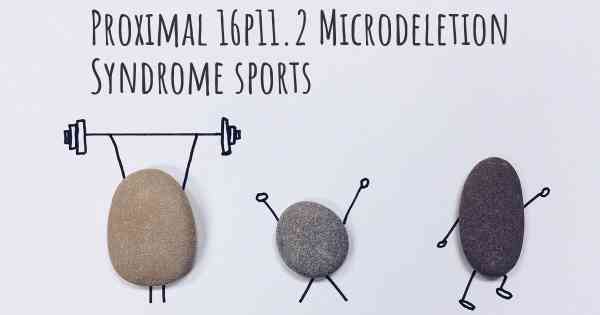
Exercise is highly recommended for individuals with Proximal 16p11.2 Microdeletion Syndrome as it supports motor coordination, cardiovascular health, and emotional regulation. While there are no specific contraindications for physical activity, individuals should consult with their healthcare team to tailor routines to their unique needs, including potential challenges with balance or muscle tone. Is exercise beneficial for Proximal 16p11.2 Microdeletion Syndrome? Yes, regular physical activity is a vital component of holistic care for those with Proximal 16p11.2 Microdeletion Syndrome.
Exercise is highly recommended for individuals with Proximal 16p11.2 Microdeletion Syndrome as it supports motor coordination, cardiovascular health, and emotional regulation. While there are no specific contraindications for physical activity, individuals should consult with their healthcare team to tailor routines to their unique needs, including potential challenges with balance or muscle tone.
Yes, regular physical activity is a vital component of holistic care for those with Proximal 16p11.2 Microdeletion Syndrome. Because this condition can be associated with developmental delays, hypotonia (low muscle tone), and challenges with motor planning, structured exercise helps improve core strength and coordination. Furthermore, exercise is an effective tool for managing the mood and behavioral symptoms often reported by our 8 community members on DiseaseMaps.org.
Focus on activities that improve proprioception and bilateral coordination. Safe and beneficial options include:
For individuals with Proximal 16p11.2 Microdeletion Syndrome, the goal is "pacing." Start with short, 10-15 minute sessions and gradually increase the duration. Always seek medical clearance from a pediatrician or geneticist, and prioritize activities that the individual finds enjoyable to maintain consistency. If a day is particularly difficult due to sensory processing sensitivities or fatigue, opt for gentle stretching rather than high-intensity movement.
Physical therapy is often the gold standard for managing Proximal 16p11.2 Microdeletion Syndrome. A physical therapist can create a customized plan to address specific motor delays or gait abnormalities associated with the syndrome. By integrating therapeutic exercises into daily life, patients can gain confidence and physical independence.
Medical disclaimer: This content is for informational purposes only and does not replace professional medical advice, diagnosis, or treatment.