Short answer · Medically reviewed summary · Last updated: 2026-04-07
For patients with Pulmonary Hypertension, exercise is no longer considered contraindicated; in fact, supervised, low-to-moderate intensity physical activity is now recognized as a vital component of symptom management. While individuals with Pulmonary Hypertension must avoid overexertion, medically supervised exercise programs can significantly improve functional capacity, muscle strength, and overall quality of life. Is exercise safe for patients with Pulmonary Hypertension? Historically, patients were advised to avoid all physical activity, but modern clinical research has shifted this perspective.
For patients with Pulmonary Hypertension, exercise is no longer considered contraindicated; in fact, supervised, low-to-moderate intensity physical activity is now recognized as a vital component of symptom management. While individuals with Pulmonary Hypertension must avoid overexertion, medically supervised exercise programs can significantly improve functional capacity, muscle strength, and overall quality of life.
Historically, patients were advised to avoid all physical activity, but modern clinical research has shifted this perspective. For those living with Pulmonary Hypertension, controlled movement helps combat the physical deconditioning that often accompanies the disease. Engaging in regular, low-impact exercise can improve oxygen utilization in the muscles, which reduces the workload on the heart and lungs. At DiseaseMaps.org, 101 community members living with Pulmonary Hypertension share insights into how maintaining a gentle, consistent routine helps them navigate their symptoms.
Safety is the primary goal when designing an exercise plan for Pulmonary Hypertension. The focus should be on aerobic activities that do not place excessive strain on the right ventricle of the heart. Recommended activities include:
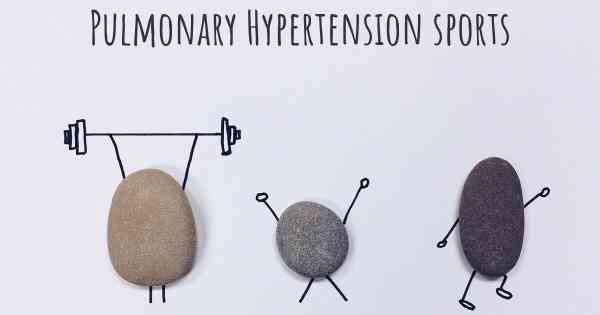
Certain types of exercise can be dangerous for those with Pulmonary Hypertension. Patients should avoid high-intensity interval training (HIIT), heavy weightlifting, and isometric exercises (like intense planks or heavy pushing), as these can cause sudden spikes in blood pressure. Activities performed at high altitudes or in extreme temperatures should also be avoided, as these environments place additional stress on the pulmonary vasculature. Always avoid any activity that induces dizziness, chest pain, or severe shortness of breath.
Before beginning any physical activity, you must obtain medical clearance from your specialized PH medical team. A professional pulmonary rehabilitation program is the gold standard for starting, as it provides heart rate and oxygen saturation monitoring. When starting on your own, follow these pacing strategies:
Medical disclaimer: This content is for informational purposes only and does not constitute medical advice; always consult your primary physician or specialist before beginning any new exercise regimen.