Short answer · Medically reviewed summary · Last updated: 2026-05-08
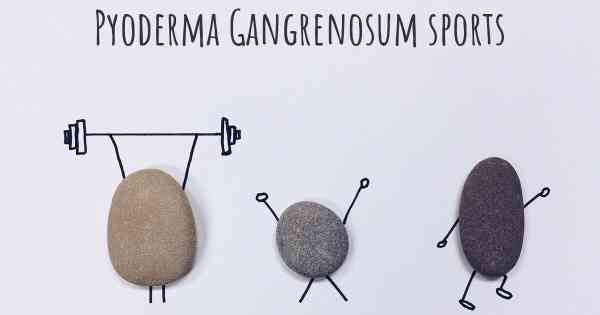
Exercise is generally recommended for individuals with Pyoderma Gangrenosum, provided it is approached with caution to avoid trauma to the skin, which can trigger pathergy (the worsening of ulcers due to injury). While physical activity offers significant benefits for mood and overall strength, it must be carefully adapted to your current ulcer status and pain levels. Is exercise safe for someone with Pyoderma Gangrenosum? For most patients, light to moderate exercise is beneficial, but you must be mindful of the "pathergy phenomenon" associated with Pyoderma Gangrenosum.
Exercise is generally recommended for individuals with Pyoderma Gangrenosum, provided it is approached with caution to avoid trauma to the skin, which can trigger pathergy (the worsening of ulcers due to injury). While physical activity offers significant benefits for mood and overall strength, it must be carefully adapted to your current ulcer status and pain levels.
For most patients, light to moderate exercise is beneficial, but you must be mindful of the "pathergy phenomenon" associated with Pyoderma Gangrenosum. Any activity that risks skin abrasion, friction, or direct impact near an active lesion should be avoided. Because Pyoderma Gangrenosum can be physically exhausting and painful, exercise should always be secondary to your medical treatment plan.
Low-impact activities that minimize skin friction are typically the safest choice. Recommended activities include:
Always seek clearance from your rheumatologist or dermatologist before beginning a new routine. When you have Pyoderma Gangrenosum, listen to your body and utilize pacing strategies. If you are experiencing a flare, prioritize rest over activity. Physical therapy can be instrumental for patients with Pyoderma Gangrenosum to prevent muscle atrophy without aggravating skin lesions. Start with 5-10 minutes of light movement and monitor for any signs of skin irritation or increased pain.
Medical disclaimer: This information is for educational purposes only and does not replace professional medical advice, diagnosis, or treatment.