Short answer · Medically reviewed summary · Last updated: 2026-05-08
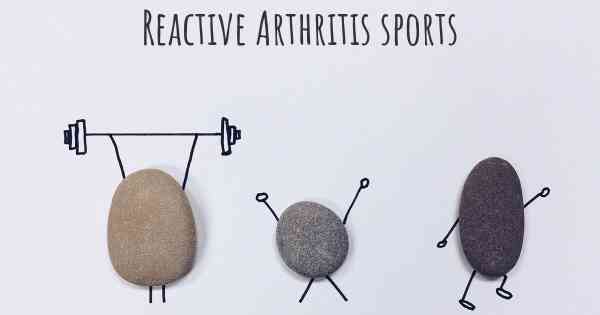
Yes, regular, low-impact exercise is highly recommended for managing Reactive Arthritis, as it helps maintain joint mobility and prevents muscle atrophy. While you should avoid high-intensity activity during acute flare-ups, gentle movement is essential for long-term health and symptom control for those living with Reactive Arthritis. Is exercise safe for Reactive Arthritis? Physical activity is not only safe but vital for Reactive Arthritis patients.
1 people with Reactive Arthritis have shared their first-person experience on this question at DiseaseMaps.
Yes, regular, low-impact exercise is highly recommended for managing Reactive Arthritis, as it helps maintain joint mobility and prevents muscle atrophy. While you should avoid high-intensity activity during acute flare-ups, gentle movement is essential for long-term health and symptom control for those living with Reactive Arthritis.
Physical activity is not only safe but vital for Reactive Arthritis patients. Exercise helps reduce joint stiffness, improves cardiovascular health, and boosts mood. Our DiseaseMaps community of 33 members with Reactive Arthritis often shares that consistent, moderate movement significantly improves their daily quality of life and functional independence.
Low-impact activities that minimize stress on inflamed joints are best. Consider these options:
During a Reactive Arthritis flare, it is crucial to prioritize rest. If your joints are swollen or painful, shift to gentle range-of-motion exercises rather than strength training. Implement the "pacing" strategy: break your exercise into shorter, 5-to-10-minute sessions throughout the day rather than one long, exhausting workout. Always listen to your body; if pain persists for more than two hours after exercise, reduce the intensity of your next session.
A physical therapist is an essential part of your care team for Reactive Arthritis. They can create a personalized rehabilitation plan that addresses your specific joint involvement and functional goals. They provide safe, supervised progression, ensuring you build strength without triggering excessive inflammation or joint damage.
Medical disclaimer: This content is for informational purposes only and does not replace professional medical advice, diagnosis, or treatment.