Short answer · Medically reviewed summary · Last updated: 2026-05-08
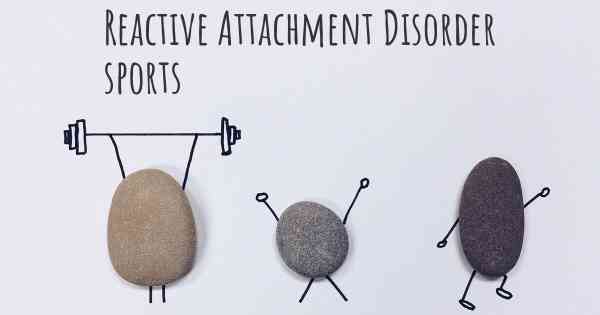
Yes, exercise is highly recommended for individuals with Reactive Attachment Disorder as it helps regulate the nervous system, reduce cortisol levels, and improve emotional self-regulation. Movement provides a constructive outlet for the physiological stress often associated with Reactive Attachment Disorder, making it an essential component of a holistic care plan. Is exercise beneficial for managing Reactive Attachment Disorder? Physical activity is incredibly beneficial for those living with Reactive Attachment Disorder.
Yes, exercise is highly recommended for individuals with Reactive Attachment Disorder as it helps regulate the nervous system, reduce cortisol levels, and improve emotional self-regulation. Movement provides a constructive outlet for the physiological stress often associated with Reactive Attachment Disorder, making it an essential component of a holistic care plan.
Physical activity is incredibly beneficial for those living with Reactive Attachment Disorder. By engaging the body, patients can transition from a state of hyperarousal or "fight-or-flight" into a more grounded state. Exercise helps improve body awareness (proprioception), which is often compromised in children and adults affected by Reactive Attachment Disorder, fostering a better sense of safety within one’s own physical self.
The most effective activities for managing Reactive Attachment Disorder are those that emphasize rhythm, bilateral movement, and social connection. We suggest focusing on the following:
For those with Reactive Attachment Disorder, the goal is "regulation, not exhaustion." High-intensity interval training may occasionally trigger a stress response, so start with low-to-moderate intensity. Always prioritize "pacing," where you listen to your body’s signals; if you feel overwhelmed, stop and engage in a grounding exercise like deep breathing. If you are working with a physical therapist, they can help create a program that integrates sensory-motor activities specifically designed to support the emotional needs of someone with Reactive Attachment Disorder.
Medical disclaimer: This information is for educational purposes only and does not replace professional medical advice, diagnosis, or treatment.