Short answer · Medically reviewed summary · Last updated: 2026-05-08
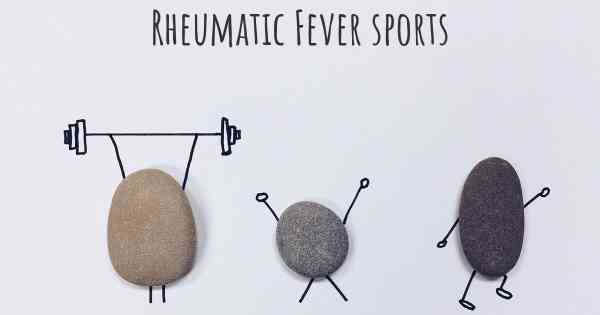
During the acute phase of Rheumatic Fever, strict physical rest is essential to allow cardiac inflammation to subside, but once cleared by your physician, a gradual return to activity is highly beneficial. Exercise must be personalized based on the presence of carditis and your specific recovery timeline to avoid overexertion while rebuilding cardiovascular health. Is exercise safe during Rheumatic Fever recovery? Exercise is strictly contraindicated during the acute inflammatory phase of Rheumatic Fever.
1 people with Rheumatic Fever have shared their first-person experience on this question at DiseaseMaps.
During the acute phase of Rheumatic Fever, strict physical rest is essential to allow cardiac inflammation to subside, but once cleared by your physician, a gradual return to activity is highly beneficial. Exercise must be personalized based on the presence of carditis and your specific recovery timeline to avoid overexertion while rebuilding cardiovascular health.
Exercise is strictly contraindicated during the acute inflammatory phase of Rheumatic Fever. Once your doctor confirms that inflammation has resolved, physical activity is vital for restoring muscle tone and improving mood. Because Rheumatic Fever can impact the heart valves, your physician must perform an echocardiogram and clinical assessment before you begin any activity program to ensure your heart can handle the increased workload.
Once you have been cleared for activity, focus on low-impact, steady-state movements that do not spike your heart rate abruptly. Beneficial activities include:
The "pacing strategy" is critical for those recovering from Rheumatic Fever. On days when fatigue or joint pain is high, prioritize restorative rest over structured exercise. If you experience chest pain, shortness of breath, or palpitations, stop immediately and contact your healthcare provider. Physical therapy is often the best bridge; a therapist can create a tailored plan that monitors your heart rate and perceived exertion levels to keep you in a safe zone.
Medical disclaimer: This information is for educational purposes and should not replace professional medical advice, diagnosis, or treatment.