Short answer · Medically reviewed summary · Last updated: 2026-04-06
Rheumatoid Arthritis is not caused by a single gene mutation passed directly from parent to child; rather, it is a complex, multifactorial condition where a combination of genetic predispositions and environmental factors interact to trigger the disease. Understanding the Genetic Component While Rheumatoid Arthritis is not strictly "hereditary" in the way conditions like cystic fibrosis are, there is a clear genetic component. Clinical genetics classifies Rheumatoid Arthritis as a multifactorial disorder.
2 people with Rheumatoid Arthritis have shared their first-person experience on this question at DiseaseMaps.
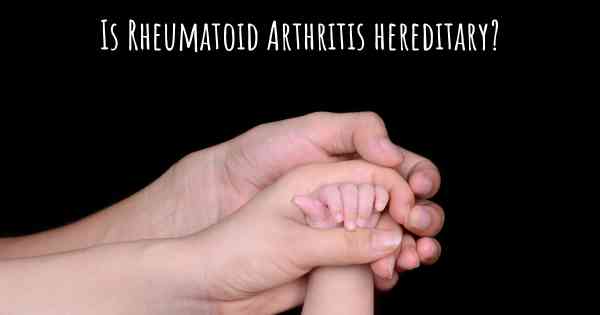
Rheumatoid Arthritis is not caused by a single gene mutation passed directly from parent to child; rather, it is a complex, multifactorial condition where a combination of genetic predispositions and environmental factors interact to trigger the disease.
While Rheumatoid Arthritis is not strictly "hereditary" in the way conditions like cystic fibrosis are, there is a clear genetic component. Clinical genetics classifies Rheumatoid Arthritis as a multifactorial disorder. This means that an individual may inherit a constellation of genes that increase susceptibility, particularly those associated with the HLA-DRB1 region of the immune system, but these genes alone do not guarantee the development of the condition.
Because the disease is multifactorial, it does not follow simple Mendelian inheritance patterns like autosomal dominant or recessive traits. For a child with one affected parent, the risk of developing Rheumatoid Arthritis is slightly higher than that of the general population, but it remains statistically low—typically estimated at less than 5%. Environmental triggers, such as smoking or specific infections, often play a more decisive role in activating the immune response in those who are genetically predisposed.
Currently, there is no clinical genetic test that can predict whether someone will develop Rheumatoid Arthritis. Genetic testing is not recommended for diagnosis or risk assessment because the presence of "risk genes" is common in the healthy population. However, genetic counseling can be incredibly valuable for families who are concerned about the disease. A counselor can provide personalized risk assessment, help interpret family history, and offer support for those planning pregnancies, especially regarding the safety of medications used to manage Rheumatoid Arthritis symptoms.
De novo or spontaneous mutations are not considered a standard cause of this condition. Because the risk is polygenic and environmental, prenatal diagnosis and carrier testing are not applicable or clinically indicated.
Medical Disclaimer: This information is for educational purposes and should not replace professional medical advice. Always consult with your rheumatologist or a certified genetic counselor regarding your specific health concerns or family history.