Short answer · Medically reviewed summary · Last updated: 2026-04-07
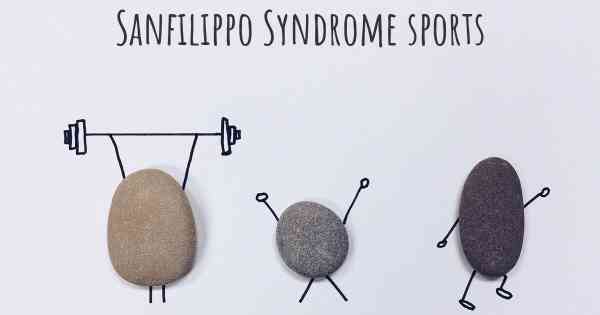
Physical activity is generally recommended for individuals with Sanfilippo Syndrome, as it can help maintain mobility, improve muscle tone, and support overall quality of life. While exercise must be highly adapted to the individual's specific stage of disease progression and physical capabilities, low-impact movements supervised by a physical therapist can mitigate common complications like joint contractures and muscle weakness. Is exercise safe for someone with Sanfilippo Syndrome? Yes, exercise is encouraged for those living with Sanfilippo Syndrome, provided it is approached with clinical guidance.
4 people with Sanfilippo Syndrome have shared their first-person experience on this question at DiseaseMaps.
Physical activity is generally recommended for individuals with Sanfilippo Syndrome, as it can help maintain mobility, improve muscle tone, and support overall quality of life. While exercise must be highly adapted to the individual's specific stage of disease progression and physical capabilities, low-impact movements supervised by a physical therapist can mitigate common complications like joint contractures and muscle weakness.
Yes, exercise is encouraged for those living with Sanfilippo Syndrome, provided it is approached with clinical guidance. Because Sanfilippo Syndrome (MPS III) affects multiple body systems—including the skeletal and muscular systems—the primary goal of movement is not high-intensity fitness, but rather "functional maintenance." Movement helps manage the stiffening of joints (contractures) that often accompanies the disease and can provide sensory input that helps manage the hyperactivity commonly associated with the condition. Always consult your multidisciplinary care team before beginning a new routine, as medical clearance is essential to account for potential issues like hydrocephalus or seizure activity.
The best activities for individuals with Sanfilippo Syndrome are low-impact, rhythmic, and supportive. Because the disease can lead to a loss of motor skills over time, the focus should be on preserving range of motion and core stability. Consider the following activities:
High-impact or contact sports are generally contraindicated for patients with Sanfilippo Syndrome. Activities that carry a high risk of falling or head trauma should be strictly avoided, particularly if the patient has hydrocephalus or an unstable gait. Furthermore, if a patient is experiencing significant respiratory illness or cardiac fatigue, exercise intensity must be lowered significantly or paused. Never force an activity if the individual shows signs of distress, as the goal is to improve comfort, not to push physical limits to the point of exhaustion.
Physical therapy (PT) is a cornerstone of management for Sanfilippo Syndrome. A physical therapist experienced in rare metabolic conditions can design a "pacing" strategy that adapts to the patient’s "good days" and "bad days." On days when the patient is fatigued or experiencing increased insomnia, therapy sessions should focus on gentle sensory integration or passive stretching rather than active exertion. PT is vital for assessing the need for orthotics or assistive devices that can keep the individual moving safely as their motor skills decline.
Medical disclaimer: This information is for educational purposes only and does not replace professional medical advice, diagnosis, or treatment; always seek the advice of your physician or other qualified health provider with any questions regarding a medical condition.