Short answer · Medically reviewed summary · Last updated: 2026-04-06
Individuals living with Sleep Apnea experience significantly higher rates of depression and anxiety compared to the general population, with studies suggesting that up to 45% of patients may struggle with comorbid mood disorders. Neurological and Emotional Impacts The connection between Sleep Apnea and depression is both physiological and psychological. The recurrent nocturnal hypoxia—periods of low oxygen—and the resulting fragmentation of sleep disrupt the brain’s neurochemistry, specifically affecting the neurotransmitters involved in mood regulation.
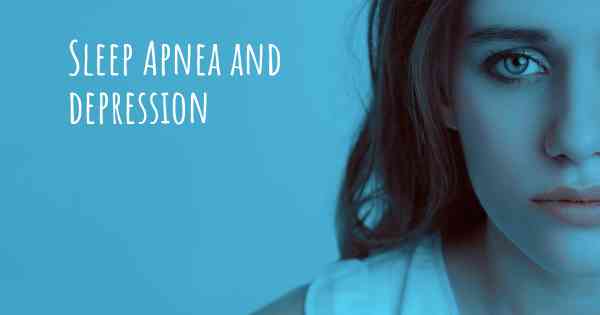
Individuals living with Sleep Apnea experience significantly higher rates of depression and anxiety compared to the general population, with studies suggesting that up to 45% of patients may struggle with comorbid mood disorders.
The connection between Sleep Apnea and depression is both physiological and psychological. The recurrent nocturnal hypoxia—periods of low oxygen—and the resulting fragmentation of sleep disrupt the brain’s neurochemistry, specifically affecting the neurotransmitters involved in mood regulation. Furthermore, the chronic fatigue inherent in Sleep Apnea often leads to social withdrawal, irritability, and a diminished sense of self-worth, creating a cycle where poor sleep exacerbates psychological distress, and untreated mental health symptoms further degrade sleep quality.
It is vital to distinguish between normal exhaustion and clinical depression. Watch for persistent feelings of hopelessness, loss of interest in activities once enjoyed, increased irritability, and cognitive "brain fog" that persists even after using prescribed CPAP therapy for Sleep Apnea. If you find that your quality of life is declining despite managing your physical symptoms, it is time to consult a mental health professional.
Effective management often involves a multidisciplinary approach. Cognitive Behavioral Therapy for Insomnia (CBT-I) is highly effective for those with Sleep Apnea, helping to reframe the anxiety associated with sleep. Acceptance and Commitment Therapy (ACT) can also help patients manage the emotional weight of living with a chronic condition. Support groups, such as those found on DiseaseMaps, offer a safe space to share lived experiences, which can significantly reduce feelings of isolation.
If you or a loved one are experiencing suicidal thoughts, please reach out for immediate help. In the U.S., call or text 988 to reach the Suicide & Crisis Lifeline, or contact your local emergency services immediately.
Medical Disclaimer: This information is for educational purposes only and does not replace professional medical advice, diagnosis, or treatment. Always seek the advice of your physician or other qualified health provider with any questions regarding a medical condition.