Short answer · Medically reviewed summary · Last updated: 2026-04-06
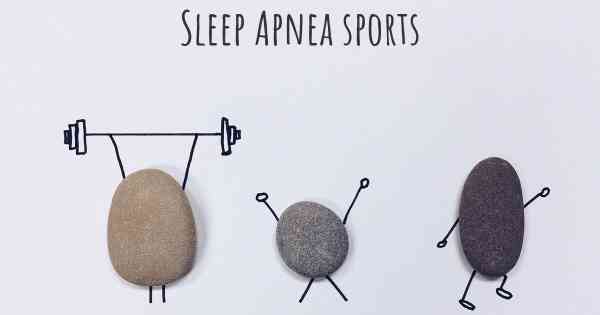
Regular physical activity is highly recommended for individuals with Sleep Apnea, as it can significantly improve sleep quality, reduce systemic inflammation, and assist in weight management, which is often a contributing factor to airway obstruction. Recommended Activities and Intensity For those managing Sleep Apnea, consistency is far more important than high intensity. Aerobic exercises like brisk walking, swimming, or cycling are excellent choices as they strengthen the cardiovascular system and help maintain a healthy body mass index (BMI).
4 people with Sleep Apnea have shared their first-person experience on this question at DiseaseMaps.
Regular physical activity is highly recommended for individuals with Sleep Apnea, as it can significantly improve sleep quality, reduce systemic inflammation, and assist in weight management, which is often a contributing factor to airway obstruction.
For those managing Sleep Apnea, consistency is far more important than high intensity. Aerobic exercises like brisk walking, swimming, or cycling are excellent choices as they strengthen the cardiovascular system and help maintain a healthy body mass index (BMI). Yoga and Pilates are also beneficial, particularly when they focus on core strength and diaphragmatic breathing techniques, which can help improve overall respiratory muscle control. Aim for a moderate intensity—where you can still carry on a conversation—for 30 minutes most days of the week.
Before beginning any new regimen, it is essential to obtain medical clearance from your physician to ensure your heart health is stable. Start with a "low and slow" approach; begin with 10-minute sessions and gradually increase duration as your stamina improves. On days when Sleep Apnea symptoms leave you feeling fatigued or excessively sleepy, prioritize "pacing." Instead of skipping activity entirely, opt for gentle stretching or a short, light walk. Listen to your body and never push through extreme exhaustion or chest discomfort.
If you struggle with fatigue or physical limitations, a physical therapist can design a tailored program to build endurance without overtaxing your system. In some cases, targeted oropharyngeal exercises—exercises for the muscles of the mouth and throat—have been shown in clinical literature to potentially reduce the severity of Sleep Apnea by strengthening the tissues that may otherwise collapse during sleep.
Beyond symptom management, exercise acts as a powerful tool for your mental health. Managing the daily burden of Sleep Apnea can be isolating, and the endorphins released during activity help stabilize mood and improve daytime alertness. By incorporating movement into your routine, you are taking a proactive step toward reclaiming your energy and vitality.
Medical Disclaimer: This information is for educational purposes and does not replace professional medical advice. Always consult with your healthcare provider before starting a new exercise program, especially if you have co-existing cardiovascular conditions related to Sleep Apnea.