Short answer · Medically reviewed summary · Last updated: 2026-05-08

There is no single "SIBO diet" universally proven to cure Small Intestine Bacterial Overgrowth (SIBO), but dietary modifications are essential for managing symptoms and improving quality of life. Current clinical approaches focus on reducing fermentable carbohydrates that feed bacterial overgrowth while addressing underlying nutritional deficiencies. Are specific diets recommended for managing SIBO? While high-quality clinical trials are limited, many gastroenterologists recommend low-fermentation diets to alleviate bloating, gas, and abdominal pain associated with Small Intestine Bacterial Overgrowth (SIBO).

5

Small Intestine Bacterial Overgrowth (SIBO) diet. Is there a diet which improves the quality of life of people with Small Intestine Bacterial Overgrowth (SIBO)?

Diet and Small Intestine Bacterial Overgrowth (SIBO): foods that patients report help their quality of life, with a medically reviewed summary.
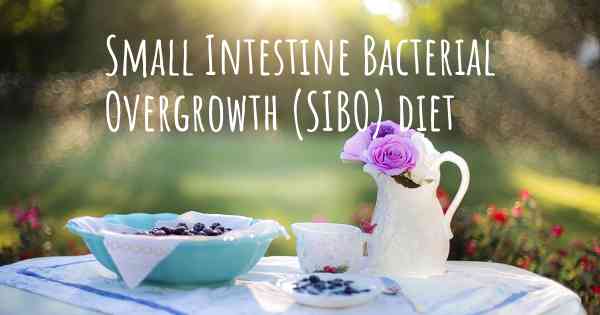
Small Intestine Bacterial Overgrowth (SIBO) diet

There is no single "SIBO diet" universally proven to cure Small Intestine Bacterial Overgrowth (SIBO), but dietary modifications are essential for managing symptoms and improving quality of life. Current clinical approaches focus on reducing fermentable carbohydrates that feed bacterial overgrowth while addressing underlying nutritional deficiencies.


Are specific diets recommended for managing SIBO?


While high-quality clinical trials are limited, many gastroenterologists recommend low-fermentation diets to alleviate bloating, gas, and abdominal pain associated with Small Intestine Bacterial Overgrowth (SIBO). These diets aim to starve the bacteria in the small intestine by limiting substrates they ferment. Common approaches include the Low-FODMAP diet or the SIBO Specific Food Guide, though these should be used as temporary tools under professional supervision to avoid malnutrition.


Which foods should be avoided or prioritized?


To reduce symptom burden, it is often necessary to limit foods that are highly fermentable. The following list highlights common dietary adjustments for Small Intestine Bacterial Overgrowth (SIBO):


  • Limit high-FODMAP foods: Reduce intake of onions, garlic, wheat, beans, and certain high-fructose fruits like apples or pears.

  • Prioritize easily digestible proteins: Lean meats, fish, and eggs are generally well-tolerated and provide essential amino acids.

  • Adjust fiber intake: While fiber is healthy, excessive intake can worsen symptoms in some patients with Small Intestine Bacterial Overgrowth (SIBO) by providing more fuel for bacterial fermentation.


How do supplements and medications interact with diet?


Dietary changes for Small Intestine Bacterial Overgrowth (SIBO) must be coordinated with medical treatment. Antibiotics like rifaximin are the primary treatment; some clinicians suggest a "pro-kinetic" diet or timing meals to support the Migrating Motor Complex (MMC), the gut's "cleansing wave." Supplements such as prokinetics (e.g., ginger or prescription agents) are often used to improve gut motility, which is the most effective way to prevent the recurrence of Small Intestine Bacterial Overgrowth (SIBO).


Next steps


  • Consult a registered dietitian specializing in gastrointestinal health before starting restrictive diets.

  • Track your symptoms in a food diary to identify personal triggers.

  • Join our community of 30+ members at DiseaseMaps.org to share experiences with Small Intestine Bacterial Overgrowth (SIBO).


Medical disclaimer: This information is for educational purposes and does not replace professional medical advice; always consult your physician before making significant dietary or therapeutic changes.


References


  • NIH National Center for Advancing Translational Sciences (GARD)

  • PubMed: "Small Intestinal Bacterial Overgrowth: Comprehensive Review of Diagnosis and Treatment"

  • The American College of Gastroenterology (ACG) Clinical Guidelines

Author: DiseaseMaps Editorial Team
Reviewed against authoritative medical sources (NIH GARD, Orphanet, OMIM)
Last updated: 2026-05-08
Medical disclaimer: This information does not substitute professional medical advice. Always consult your doctor before making health decisions.
Source: DiseaseMaps.org
1 answer

Small Intestine Bacterial Overgrowth (SIBO) diet

Small Intestine Bacterial Overgrowth (SIBO) life expectancy

What is the life expectancy of someone with Small Intestine Bacterial Overg...

1 answer
Celebrities with Small Intestine Bacterial Overgrowth (SIBO)

Celebrities with Small Intestine Bacterial Overgrowth (SIBO)

1 answer
Is Small Intestine Bacterial Overgrowth (SIBO) hereditary?

Is Small Intestine Bacterial Overgrowth (SIBO) hereditary?

1 answer
Is Small Intestine Bacterial Overgrowth (SIBO) contagious?

Is Small Intestine Bacterial Overgrowth (SIBO) contagious?

1 answer
ICD9 and ICD10 codes of Small Intestine Bacterial Overgrowth (SIBO)

ICD10 code of Small Intestine Bacterial Overgrowth (SIBO) and ICD9 code

1 answer
Natural treatment of Small Intestine Bacterial Overgrowth (SIBO)

Is there any natural treatment for Small Intestine Bacterial Overgrowth (SI...

1 answer
Living with Small Intestine Bacterial Overgrowth (SIBO)

Living with Small Intestine Bacterial Overgrowth (SIBO). How to live with S...

1 answer
History of Small Intestine Bacterial Overgrowth (SIBO)

What is the history of Small Intestine Bacterial Overgrowth (SIBO)?

1 answer

World map of Small Intestine Bacterial Overgrowth (SIBO)

Find people with Small Intestine Bacterial Overgrowth (SIBO) through the map. Connect with them and share experiences. Join the Small Intestine Bacterial Overgrowth (SIBO) community.

Stories of Small Intestine Bacterial Overgrowth (SIBO)

SMALL INTESTINE BACTERIAL OVERGROWTH (SIBO) STORIES

Tell your story and help others

Tell my story

Small Intestine Bacterial Overgrowth (SIBO) forum

SMALL INTESTINE BACTERIAL OVERGROWTH (SIBO) FORUM

Ask a question and get answers from other users.

Ask a question

Find your symptoms soulmates

From now on you can add your symptoms in diseasemaps and find your symptoms soulmates. Symptoms soulmates are people with similar symptoms to you.

Symptoms soulmates

Add your symptoms and discover your soulmates map

Soulmates map