Short answer · Medically reviewed summary · Last updated: 2026-05-08
Regular physical activity is highly recommended for individuals with Social Anxiety Disorder, as it helps regulate the nervous system, reduces physiological arousal, and improves overall mood. Engaging in consistent exercise serves as a powerful adjunctive tool for managing the symptoms of Social Anxiety Disorder by lowering baseline cortisol levels and fostering a sense of self-efficacy. Is exercise beneficial for Social Anxiety Disorder? Yes, exercise is a scientifically supported intervention for Social Anxiety Disorder.
Regular physical activity is highly recommended for individuals with Social Anxiety Disorder, as it helps regulate the nervous system, reduces physiological arousal, and improves overall mood. Engaging in consistent exercise serves as a powerful adjunctive tool for managing the symptoms of Social Anxiety Disorder by lowering baseline cortisol levels and fostering a sense of self-efficacy.
Yes, exercise is a scientifically supported intervention for Social Anxiety Disorder. Physical activity triggers the release of endorphins and dopamine, which can counteract the chronic stress associated with Social Anxiety Disorder. While it is not a replacement for cognitive behavioral therapy or medication, movement helps many members of the DiseaseMaps.org community—which currently includes 38 individuals managing Social Anxiety Disorder—to better navigate social stressors.
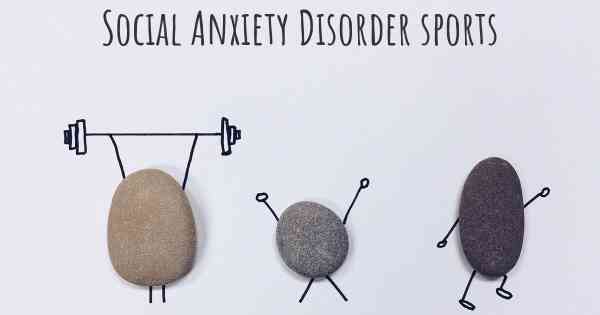
For those navigating Social Anxiety Disorder, the focus should be on activities that provide comfort while gradually building confidence. Low-to-moderate intensity activities are often best for those just starting out:
When you have Social Anxiety Disorder, the "performance anxiety" of a public gym can be a significant barrier. Start by exercising in private or quiet environments to build a routine before transitioning to public spaces. Begin with 15–20 minutes of low-intensity movement three times a week. If you experience high anxiety, focus on pacing: on difficult days, opt for gentle stretching or a short walk rather than skipping activity entirely to maintain your momentum.
Medical disclaimer: This information is for educational purposes only and should not replace professional medical advice, diagnosis, or treatment.