Short answer · Medically reviewed summary · Last updated: 2026-05-08
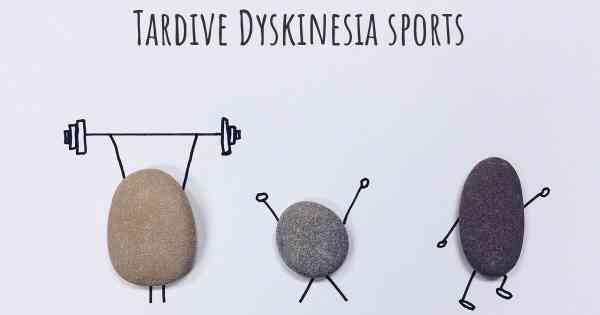
Yes, exercise is generally highly recommended for individuals living with Tardive Dyskinesia, as physical activity can help manage stress, improve muscle tone, and boost overall mental well-being. While exercise does not cure Tardive Dyskinesia, it can provide a constructive outlet for managing the involuntary movements and the emotional impact of the condition. Is physical activity safe for those with Tardive Dyskinesia? Physical activity is safe and beneficial for most people with Tardive Dyskinesia, provided it is approached with caution and medical guidance.
Yes, exercise is generally highly recommended for individuals living with Tardive Dyskinesia, as physical activity can help manage stress, improve muscle tone, and boost overall mental well-being. While exercise does not cure Tardive Dyskinesia, it can provide a constructive outlet for managing the involuntary movements and the emotional impact of the condition.
Physical activity is safe and beneficial for most people with Tardive Dyskinesia, provided it is approached with caution and medical guidance. Exercise helps combat the sedentary lifestyle that often accompanies chronic conditions, improving cardiovascular health and mood. For the 23 members of the DiseaseMaps community currently managing Tardive Dyskinesia, movement often serves as a helpful distraction from symptoms.
Low-to-moderate intensity activities are typically the best starting point. Focus on exercises that improve coordination and core stability, which can help compensate for the involuntary movements associated with Tardive Dyskinesia. Recommended activities include:
Always consult your neurologist or primary care physician before beginning a new routine. When starting, follow these steps:
A physical therapist can create a tailored program to address the specific movement patterns of Tardive Dyskinesia. They can teach you how to adapt movements to minimize the impact of tremors or spasms, ensuring you remain active while reducing the risk of fatigue or injury.
Medical disclaimer: This information is for educational purposes only and does not replace professional medical advice, diagnosis, or treatment.