Short answer · Medically reviewed summary · Last updated: 2026-04-07

Yes, regular physical activity is highly recommended for individuals with Tourette Syndrome, as it serves as a powerful, non-pharmacological tool to help manage stress, improve focus, and reduce the intensity of motor and vocal tics. While Tourette Syndrome manifests differently in every patient, engaging in structured movement can provide a vital outlet for physical tension and improve overall quality of life. Why is exercise beneficial for managing Tourette Syndrome? For the 387 members of the DiseaseMaps community living with Tourette Syndrome, exercise offers more than just physical health benefits; it acts as a therapeutic intervention.

6

Is it advisable to do exercise when affected by Tourette Syndrome? Which activities would you suggest and how intense should they be?

Exercise with Tourette Syndrome: which activities patients recommend or avoid, and what the evidence says.
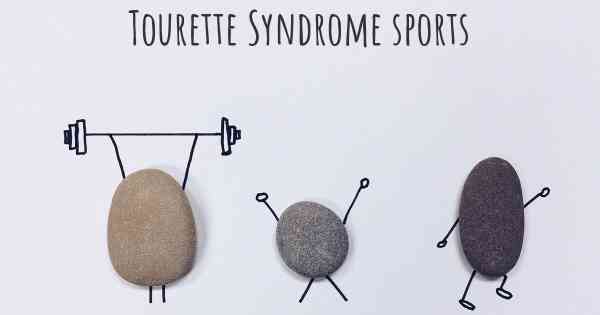
Tourette Syndrome sports

Yes, regular physical activity is highly recommended for individuals with Tourette Syndrome, as it serves as a powerful, non-pharmacological tool to help manage stress, improve focus, and reduce the intensity of motor and vocal tics. While Tourette Syndrome manifests differently in every patient, engaging in structured movement can provide a vital outlet for physical tension and improve overall quality of life.


Why is exercise beneficial for managing Tourette Syndrome?


For the 387 members of the DiseaseMaps community living with Tourette Syndrome, exercise offers more than just physical health benefits; it acts as a therapeutic intervention. Research suggests that intense physical activity can lead to a temporary reduction in tic frequency, likely due to the brain focusing on complex motor patterns rather than the urge to tic. Furthermore, exercise releases endorphins, which help combat the anxiety and mood fluctuations that often co-occur with Tourette Syndrome. By building physical strength and body awareness, patients often report a greater sense of control over their bodies.


What types of exercise are most effective for Tourette Syndrome?


There is no "one-size-fits-all" approach, but many individuals find success with activities that balance rhythmic movement with sustained focus. The following activities are generally well-tolerated and beneficial for those with Tourette Syndrome:


  • Swimming: The repetitive, rhythmic nature of swimming and the sensory input of water can be incredibly grounding.

  • Yoga and Pilates: These practices emphasize controlled breathing and mindfulness, which can help increase the "premonitory urge" awareness—the sensation that precedes a tic.

  • Martial Arts: Disciplines like Taekwondo or Karate require intense concentration and structured movement, which often suppress tics during the activity.

  • Strength Training: Lifting weights or using resistance bands provides proprioceptive input (pressure on joints and muscles) that can help stabilize the nervous system.


How should one safely start an exercise routine?


When beginning an exercise program with Tourette Syndrome, the key is gradual progression rather than immediate intensity. Start with 15–20 minutes of low-impact activity, three times a week, and monitor how your body responds. It is vital to consult with a physician or a physical therapist familiar with neurological conditions to ensure your chosen activity is safe. If you experience significant fatigue or a "tic attack" (a temporary cluster of severe tics), allow yourself the grace to scale back. Pacing is essential; on days when symptoms are high, focus on gentle stretching or restorative movements rather than high-intensity cardiovascular training.


Are there activities to avoid when living with Tourette Syndrome?


While most activities are safe, it is wise to approach sports that require extreme stillness or high-pressure environments with caution. Some individuals find that activities requiring intense, prolonged concentration in a silent room (such as competitive archery or long-distance marksmanship) can heighten the internal pressure to tic. Always prioritize activities that you enjoy, as enjoyment is the strongest predictor of long-term adherence to an exercise program.


Next steps


  • Consult with a neurologist or a physical therapist to create a movement plan tailored to your specific tic profile.

  • Join the DiseaseMaps community to connect with other members who share their experiences with exercise and symptom management.

  • Start a simple tracking log to record how different types of exercise affect your tic frequency and mood over a 4-week period.

  • Look for local "inclusive" fitness classes that focus on neurodiversity and adaptive movement.


Medical disclaimer: This content is for informational purposes only and does not replace professional medical advice, diagnosis, or treatment; always consult your healthcare provider regarding your specific medical needs.


References


  • NIH Genetic and Rare Diseases Information Center (GARD): Tourette Syndrome Overview.

  • Tourette Association of America: Living with Tourette Syndrome and the benefits of physical activity.

  • PubMed/National Library of Medicine: Research on the impact of aerobic exercise on tic severity in pediatric populations.

  • Orphanet: Information on Tourette Syndrome (ORPHA: 3381).

Author: DiseaseMaps Editorial Team
Reviewed against authoritative medical sources (NIH GARD, Orphanet, OMIM)
Last updated: 2026-04-07
Medical disclaimer: This information does not substitute professional medical advice. Always consult your doctor before making health decisions.
Source: DiseaseMaps.org
1 answer

Tourette Syndrome sports

Tourette Syndrome life expectancy

What is the life expectancy of someone with Tourette Syndrome?

3 answers
Celebrities with Tourette Syndrome

Celebrities with Tourette Syndrome

1 answer
Is Tourette Syndrome hereditary?

Is Tourette Syndrome hereditary?

1 answer
Is Tourette Syndrome contagious?

Is Tourette Syndrome contagious?

1 answer
ICD9 and ICD10 codes of Tourette Syndrome

ICD10 code of Tourette Syndrome and ICD9 code

1 answer
Natural treatment of Tourette Syndrome

Is there any natural treatment for Tourette Syndrome?

1 answer
Living with Tourette Syndrome

Living with Tourette Syndrome. How to live with Tourette Syndrome?

1 answer
Tourette Syndrome diet

Tourette Syndrome diet. Is there a diet which improves the quality of life ...

2 answers

World map of Tourette Syndrome

Find people with Tourette Syndrome through the map. Connect with them and share experiences. Join the Tourette Syndrome community.

Stories of Tourette Syndrome

TOURETTE SYNDROME STORIES
Tourette Syndrome stories
CASTELLANO: MÁS ABAJO. PORTUGUESE: VER INFRA. ------------------------------------------------------------------------------------------------------------------------------------ *GETTING OUT OF THE TOURETTE SYNDROME CLOSET* Tourette Syndrome (T...
Tourette Syndrome stories
Born 1956, Tourette's started 1968, Diagnosis 1986. Since 1985 I live vegan, Reduction of my Tics: More than 50% !!! I am very happy about. Location: Southwest-Germany.   My website: www.tourette-syndrom.de +++ Twitter: https://twitter.com/tourett...
Tourette Syndrome stories
My teenage Son has TS & ADHD, was diagnosed with ADHD at 8yrs old and TS at 11yrs old. He will be 15 this year, going great guns at school and really into sport. Would be nice to meet other families with a child of similar age. 
Tourette Syndrome stories
Tourette Syndrome started 1968, when I was 12 years old. Diagnosis 1986, long time to wait. I live vegan since 1985, Reduction of my Tics: more that 50% --- Happy about this.
Tourette Syndrome stories
I have had tics my whole life. I temember my first tic was a winking tic. Everything thought i was just being cute because all little kids do weird little things! When i got to the age of 8 i went to hospital with my parents to see someone to see if ...

Tell your story and help others

Tell my story

Tourette Syndrome forum

TOURETTE SYNDROME FORUM

Ask a question and get answers from other users.

Ask a question

Find your symptoms soulmates

From now on you can add your symptoms in diseasemaps and find your symptoms soulmates. Symptoms soulmates are people with similar symptoms to you.

Symptoms soulmates

Add your symptoms and discover your soulmates map

Soulmates map