Short answer · Medically reviewed summary · Last updated: 2026-05-08
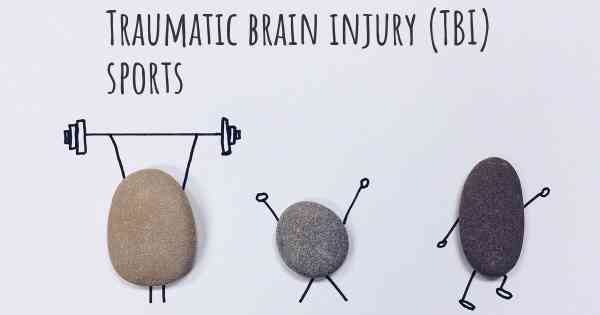
Yes, sub-symptom threshold exercise is highly recommended for recovery from Traumatic Brain Injury (TBI), as it promotes neuroplasticity, improves mood, and enhances physical conditioning. It is essential to consult your physician for medical clearance before beginning, as exercise must be carefully paced to avoid exacerbating symptoms like headaches or dizziness. Is exercise safe after a Traumatic Brain Injury? While rest is critical in the immediate acute phase of a Traumatic Brain Injury (TBI), prolonged physical inactivity can lead to deconditioning and persistent symptoms.
Yes, sub-symptom threshold exercise is highly recommended for recovery from Traumatic Brain Injury (TBI), as it promotes neuroplasticity, improves mood, and enhances physical conditioning. It is essential to consult your physician for medical clearance before beginning, as exercise must be carefully paced to avoid exacerbating symptoms like headaches or dizziness.
While rest is critical in the immediate acute phase of a Traumatic Brain Injury (TBI), prolonged physical inactivity can lead to deconditioning and persistent symptoms. Current clinical guidelines suggest that gentle, controlled physical activity can actually accelerate recovery. For the 23 community members at DiseaseMaps.org navigating life with a Traumatic Brain Injury (TBI), finding the right balance between activity and rest is key to symptom management.
Low-impact aerobic activities are generally the most successful starting points. These activities help improve blood flow to the brain without overtaxing the vestibular system. Beneficial activities include:
The "Buffalo Concussion Treadmill Test" protocol is often used by specialists to determine your specific exercise threshold. You should aim for a "sub-symptom" level, meaning you stop before your Traumatic Brain Injury (TBI) symptoms increase by more than 2 points on a 10-point scale. If symptoms flare, utilize "pacing," which involves taking frequent, scheduled breaks to allow your nervous system to recover.
Until fully cleared by a specialist, avoid contact sports, high-intensity interval training (HIIT), or activities involving rapid head movements, as these carry a high risk of re-injury or significant symptom worsening for those with a Traumatic Brain Injury (TBI).
Medical disclaimer: This information is for educational purposes only and does not replace professional medical advice, diagnosis, or treatment.