Short answer · Medically reviewed summary · Last updated: 2026-04-07
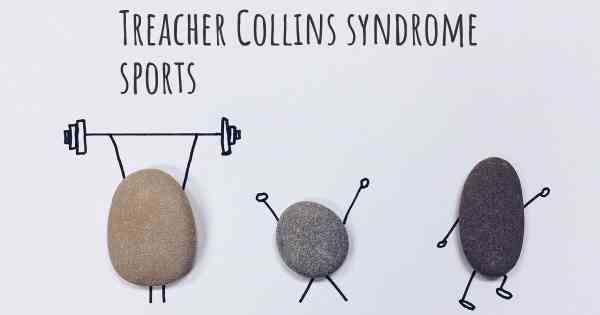
Yes, exercise is generally highly recommended for individuals with Treacher Collins syndrome, as it promotes cardiovascular health, muscular strength, and psychological well-being. While Treacher Collins syndrome involves craniofacial differences that require specific precautions regarding breathing and airway management, most patients can safely participate in a wide range of physical activities with medical clearance. Is exercise safe for those with Treacher Collins syndrome? For individuals living with Treacher Collins syndrome, physical activity is not only safe but essential for maintaining long-term health.
Yes, exercise is generally highly recommended for individuals with Treacher Collins syndrome, as it promotes cardiovascular health, muscular strength, and psychological well-being. While Treacher Collins syndrome involves craniofacial differences that require specific precautions regarding breathing and airway management, most patients can safely participate in a wide range of physical activities with medical clearance.
For individuals living with Treacher Collins syndrome, physical activity is not only safe but essential for maintaining long-term health. Because Treacher Collins syndrome is primarily characterized by abnormalities of the facial bones and ears, it does not inherently limit physical movement or motor function. However, the condition may involve airway narrowing or conductive hearing loss, which necessitates careful selection of activities. Regular movement helps manage the chronic fatigue that some patients experience and improves overall stamina, which is vital for the multiple reconstructive surgeries often required throughout childhood and adolescence.
Low-to-moderate impact activities are generally the most sustainable for patients with Treacher Collins syndrome. These exercises build endurance without placing excessive strain on the body. We suggest the following activities to get started:
While most activities are acceptable, individuals with Treacher Collins syndrome should exercise caution with contact sports. Because the facial bones—specifically the zygomatic (cheek) bones and the mandible—may be underdeveloped or reconstructed, high-impact sports like football, boxing, or martial arts carry a higher risk of facial injury. Always discuss the structural integrity of your facial reconstruction with your surgeon before engaging in any sport where there is a significant risk of head or facial impact.
The most important step is to consult your multidisciplinary care team—including your craniofacial surgeon and an otolaryngologist—to ensure your airway and ears are adequately protected. Start with a "slow and steady" approach. Begin with 15-20 minutes of light activity three times a week, gradually increasing the intensity as your body adapts. If you feel winded or experience discomfort, implement "pacing strategies" by breaking your exercise into smaller, 5-minute intervals throughout the day. Listening to your body is crucial, especially during recovery periods following surgical interventions.
Physical therapy is a powerful tool for those with Treacher Collins syndrome, particularly if you have experienced prolonged periods of bed rest after surgeries. A physical therapist can create a customized program to address any compensatory movement patterns you may have developed. Furthermore, you are not alone; 78 members of the DiseaseMaps.org community living with Treacher Collins syndrome share their experiences, and connecting with them can provide invaluable insights on how they manage physical activity alongside their clinical care.
Medical disclaimer: This information is for educational purposes only and does not replace professional medical advice, diagnosis, or treatment; always seek the advice of your physician or other qualified health provider with any questions regarding a medical condition.