Short answer · Medically reviewed summary · Last updated: 2026-04-07

Yes, exercise is highly recommended for individuals with Usher syndrome, as it plays a vital role in maintaining physical balance, cardiovascular health, and mental well-being. By focusing on controlled, low-impact activities and prioritizing safety, people living with Usher syndrome can safely improve their strength and mobility while managing the challenges of progressive vision and hearing loss. Is exercise safe for someone with Usher syndrome? Exercise is not only safe but essential for those with Usher syndrome.

3 people with Usher Syndrome have shared their first-person experience on this question at DiseaseMaps.

6

Is it advisable to do exercise when affected by Usher Syndrome? Which activities would you suggest and how intense should they be?

Exercise with Usher Syndrome: which activities patients recommend or avoid, and what the evidence says.
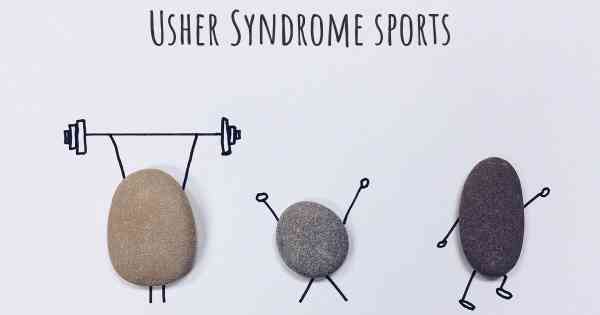
Usher Syndrome sports

Yes, exercise is highly recommended for individuals with Usher syndrome, as it plays a vital role in maintaining physical balance, cardiovascular health, and mental well-being. By focusing on controlled, low-impact activities and prioritizing safety, people living with Usher syndrome can safely improve their strength and mobility while managing the challenges of progressive vision and hearing loss.


Is exercise safe for someone with Usher syndrome?


Exercise is not only safe but essential for those with Usher syndrome. Because Usher syndrome often involves vestibular (balance) dysfunction alongside hearing and vision loss, maintaining core strength and proprioception is critical to preventing falls and maintaining independence. While the progressive nature of the condition may cause anxiety, regular physical activity helps manage stress and improves overall functional mobility, allowing patients to adapt more effectively to changes in their sensory input.


Which activities are most beneficial for Usher syndrome?


The best activities for managing Usher syndrome are those that provide consistent sensory feedback and minimize the risk of sudden, disorienting movements. When starting an exercise program, consider these options:


  • Walking or hiking on even terrain: Using a trekking pole or walking with a sighted guide can provide extra stability and confidence.

  • Swimming or water aerobics: Water provides a supportive environment that reduces the risk of injury from falls and helps with proprioception.

  • Yoga and Pilates: These practices are excellent for core stability and body awareness, which are crucial for individuals navigating the world with Usher syndrome.

  • Stationary cycling: This provides a cardiovascular workout in a controlled, predictable environment without the hazards of outdoor traffic or uneven sidewalks.


Which activities should be approached with caution?


While staying active is key, individuals with Usher syndrome should approach high-impact or high-speed contact sports with caution. Activities that involve rapid changes in direction, jumping, or extreme balance challenges—such as mountain biking, contact sports like rugby, or high-intensity plyometrics—can increase the risk of injury, particularly if your peripheral vision is significantly limited. Always assess your environment; if you are in a new or dimly lit space, opt for a familiar, well-lit environment to perform your exercises.


How can I safely start an exercise routine?


The most important rule is to listen to your body and prioritize pacing. If you are having a "bad day" where your balance feels particularly compromised, shift to gentle stretching or seated exercises rather than skipping activity entirely. Always consult with a physical therapist who has experience in vestibular rehabilitation; they can help design a program tailored to your specific level of vision and hearing loss. Start with 10–15 minutes of low-intensity movement and gradually increase the duration as you gain confidence.


What is the role of physical therapy?


Physical therapy is a cornerstone of care for patients with Usher syndrome. A specialized therapist can conduct a thorough vestibular assessment to identify specific balance deficits and create a customized home exercise program. This targeted approach helps bridge the gap between your physical capabilities and the environmental challenges posed by Usher syndrome, ultimately fostering greater confidence in your daily movements.


Next steps


  • Consult a physical therapist specializing in vestibular rehabilitation to assess your balance and safety needs.

  • Connect with the 214 members of the DiseaseMaps.org community to share experiences on how you stay active with Usher syndrome.

  • Schedule a comprehensive eye and ear exam to ensure your assistive devices are optimized for your current level of sensory loss.

  • Start a movement journal to track your progress and identify which activities make you feel most secure and energized.


Medical disclaimer: This content is for educational purposes only and does not replace professional medical advice, diagnosis, or treatment; always consult with your healthcare team regarding your specific condition.


References


  • NIH Genetic and Rare Diseases (GARD) Information Center: Usher Syndrome Overview.

  • Orphanet: Clinical practice guidelines for Usher syndrome.

  • The Usher Syndrome Coalition: Resources for living well with sensory impairment.

  • National Institute on Deafness and Other Communication Disorders (NIDCD): Research on vestibular function in genetic syndromes.

Author: DiseaseMaps Editorial Team
Reviewed against authoritative medical sources (NIH GARD, Orphanet, OMIM)
Last updated: 2026-04-07
Sources cited: NIH Genetic and Rare Diseases (GARD) Information Center: Usher Syndrome Overview. · Orphanet: Clinical practice guidelines for Usher syndrome. · The Usher Syndrome Coalition: Resources for living well with sensory impairment. · National Institute on Deafness and Other Communication Disorders (NIDCD): Research on vestibular function in genetic syndromes. · WHO
Medical disclaimer: This information does not substitute professional medical advice. Always consult your doctor before making health decisions.
Source: DiseaseMaps.org
4 answers
exercise esp. endurance sports good for eye blood circulation, less oxidative stress, slows progression of RP

Posted Jul 3, 2018 by Usher Initiative Austria
There are different exercises based on the status and limitations of your disease. You can walk, run or do gym. Even go swimming or do other athletic sports. Always look out for a safe environment and/or guidance.

Posted May 8, 2017 by Rudo 1050
Met usher kan je nog steeds (intens) sporten, bij sommige sporten een buddy nodig ( ikv valpreventie bv bij hardlopen, fietsen,...)

Posted Jun 17, 2021 by Deborah 2500
Usher Syndrome sports

Usher Syndrome life expectancy

What is the life expectancy of someone with Usher Syndrome?

4 answers
Celebrities with Usher Syndrome

Celebrities with Usher Syndrome

3 answers
Is Usher Syndrome hereditary?

Is Usher Syndrome hereditary?

3 answers
Is Usher Syndrome contagious?

Is Usher Syndrome contagious?

3 answers
ICD9 and ICD10 codes of Usher Syndrome

ICD10 code of Usher Syndrome and ICD9 code

3 answers
Natural treatment of Usher Syndrome

Is there any natural treatment for Usher Syndrome?

3 answers
Living with Usher Syndrome

Living with Usher Syndrome. How to live with Usher Syndrome?

4 answers
Usher Syndrome diet

Usher Syndrome diet. Is there a diet which improves the quality of life of ...

4 answers

World map of Usher Syndrome

Find people with Usher Syndrome through the map. Connect with them and share experiences. Join the Usher Syndrome community.

Stories of Usher Syndrome

USHER SYNDROME STORIES
Usher Syndrome stories
DEAFBLIND RUNNER’S 100 RUN MEDALS CHALLENGE FACEBOOK PAGE   HELLO, I WOULD LIKE TO SHOW YOU MY FACEBOOK PAGE, DEAFBLIND RUNNER’S 100 RUN MEDALS CHALLENGE.   IT’S ABOUT DEAF & PARTIALLY SIGHTED (USHER SYNDROME) RUNNER, JAMES CLARKE, AGED 3...
Usher Syndrome stories
When I was twenty-one years old, I was diagnosed with Usher Syndrome Type II (part of the Retinitis Pigmentosa family). As a young adult, I had two passions: writing (both as a fiction writer and as a journalist) and sports. Once I received the diag...
Usher Syndrome stories
When I was first diagnosed with Usher type II it hit me hard. I was 18, working as a plumber and training to do gas work. I had grand plans to start up my own business and advertise to single mums and pensioners who did not want a man in the house. I...
Usher Syndrome stories
MEER WETEN? KLIK OP DE LINKS HIERONDER WANT TO KNOW MORE? CLICK THE LINKS BELOW (IT'S IN DUTCH, BUT YOU CAN USE GOOGLE TRANSLATE IF YOU WANT) http://www.webmus.be : mijn website /my website (Dutch) http://www.ushersyndroom.be : informatie over U...
Usher Syndrome stories
i am Usher 2A.

Tell your story and help others

Tell my story

Usher Syndrome forum

USHER SYNDROME FORUM

Ask a question and get answers from other users.

Ask a question

Find your symptoms soulmates

From now on you can add your symptoms in diseasemaps and find your symptoms soulmates. Symptoms soulmates are people with similar symptoms to you.

Symptoms soulmates

Add your symptoms and discover your soulmates map

Soulmates map