Short answer · Medically reviewed summary · Last updated: 2026-04-08
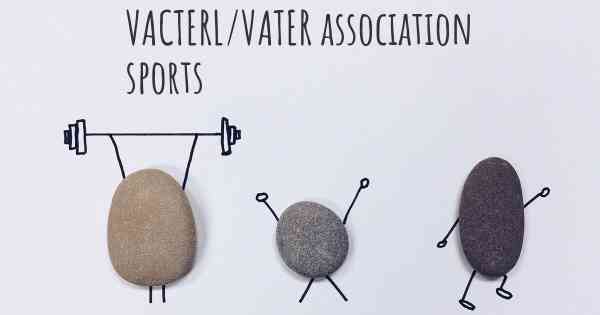
Exercise is generally recommended for individuals with VACTERL/VATER association, as it promotes cardiovascular health, strengthens muscles, and improves overall mobility, provided it is tailored to the individual's specific anatomical differences. Because VACTERL/VATER association involves a diverse range of congenital anomalies—most commonly affecting the vertebrae, anus, heart, trachea, esophagus, kidneys, and limbs—any exercise program must be cleared by your multidisciplinary medical team to ensure it accommodates your unique clinical profile. Is exercise safe for someone with VACTERL/VATER association? For most people living with VACTERL/VATER association, physical activity is not only safe but highly beneficial for managing long-term health.
Exercise is generally recommended for individuals with VACTERL/VATER association, as it promotes cardiovascular health, strengthens muscles, and improves overall mobility, provided it is tailored to the individual's specific anatomical differences. Because VACTERL/VATER association involves a diverse range of congenital anomalies—most commonly affecting the vertebrae, anus, heart, trachea, esophagus, kidneys, and limbs—any exercise program must be cleared by your multidisciplinary medical team to ensure it accommodates your unique clinical profile.
For most people living with VACTERL/VATER association, physical activity is not only safe but highly beneficial for managing long-term health. However, because VACTERL/VATER association is a non-random association of birth defects rather than a single syndrome, "safety" is highly individualized. For example, if you have congenital heart defects or renal (kidney) issues associated with your VACTERL/VATER association, your cardiologist or nephrologist must provide specific heart-rate or exertion limits. When approved by your physician, movement helps combat the physical deconditioning that can occur after multiple childhood surgeries.
The goal of exercise for those with VACTERL/VATER association is to improve functional independence and quality of life. Low-impact activities are often the best starting point to build strength without placing excessive stress on surgical sites or compromised anatomy:
Starting an exercise routine when you have VACTERL/VATER association requires a "start low, go slow" approach. Always consult your specialist to understand your specific anatomical limitations. If you have had esophageal or tracheal surgery, focus on breathing techniques and avoid activities that trigger extreme respiratory distress. If you have vertebral abnormalities, avoid high-impact activities like contact sports or jumping that could risk spinal injury. Working with a physical therapist who has experience in pediatric or congenital rehabilitation is the most effective way to design a plan that respects your body's boundaries.
Physical therapy is a cornerstone of management for VACTERL/VATER association. A therapist can help address specific deficits, such as scoliosis or limb differences, by teaching you adaptive movements. They can also provide "pacing strategies" for difficult days. If you are experiencing fatigue—a common challenge for those managing VACTERL/VATER association—a therapist can teach you how to break activities into smaller, manageable segments rather than pushing to the point of exhaustion.
Medical disclaimer: This information is for educational purposes only and should not replace professional medical advice, diagnosis, or treatment from your healthcare provider.