Short answer · Medically reviewed summary · Last updated: 2026-04-07
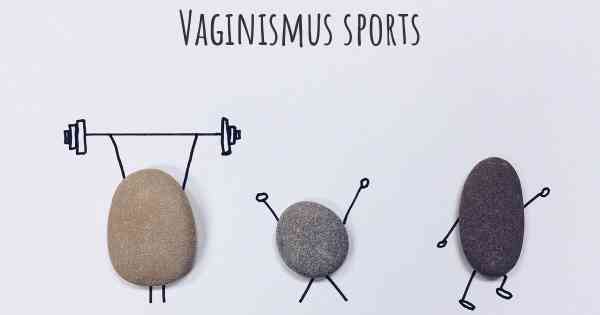
Yes, exercise is generally highly recommended for individuals with vaginismus, as it promotes overall body awareness, reduces systemic stress, and improves pelvic floor coordination. While high-impact activities may temporarily increase pelvic tension for some, gentle, mindful movement is a safe and effective way to manage the physical and emotional challenges associated with vaginismus. Is exercise beneficial for managing Vaginismus? Living with vaginismus often leads to a cycle of muscle guarding and anxiety, where the body remains in a state of "fight or flight." Engaging in regular, low-to-moderate intensity physical activity helps break this cycle by releasing endorphins, improving blood flow to the pelvic region, and teaching the nervous system to transition from a state of tension to one of relaxation.
Yes, exercise is generally highly recommended for individuals with vaginismus, as it promotes overall body awareness, reduces systemic stress, and improves pelvic floor coordination. While high-impact activities may temporarily increase pelvic tension for some, gentle, mindful movement is a safe and effective way to manage the physical and emotional challenges associated with vaginismus.
Living with vaginismus often leads to a cycle of muscle guarding and anxiety, where the body remains in a state of "fight or flight." Engaging in regular, low-to-moderate intensity physical activity helps break this cycle by releasing endorphins, improving blood flow to the pelvic region, and teaching the nervous system to transition from a state of tension to one of relaxation. For the 65 members of the DiseaseMaps.org community living with vaginismus, movement is often a vital tool for reclaiming a sense of agency over their bodies.
When selecting activities, prioritize those that emphasize diaphragmatic breathing and core stability without excessive strain on the pelvic floor. The following activities are generally well-tolerated and beneficial for those experiencing vaginismus:
While most exercise is safe, some individuals with vaginismus find that high-intensity interval training (HIIT), heavy powerlifting, or intense cycling (due to direct pressure on the perineum) can exacerbate pelvic floor tightness. If you notice an increase in discomfort, burning, or involuntary clenching during or after a specific activity, it is a signal to scale back the intensity or modify your range of motion. Always listen to your body’s cues rather than pushing through pain.
A specialized pelvic floor physical therapist is the gold standard for treating vaginismus. They can provide a tailored exercise program that complements your general fitness routine, ensuring that your workouts are not inadvertently contributing to pelvic floor over-activity. On "difficult days" when symptoms of vaginismus feel more pronounced, utilize pacing strategies: opt for gentle stretching or restorative breathing exercises rather than skipping activity entirely. This maintains the habit of movement while respecting your body’s current capacity.
Medical disclaimer: This content is for informational purposes only and does not replace professional medical advice, diagnosis, or treatment; always consult with your healthcare provider regarding your specific health needs.