Short answer · Medically reviewed summary · Last updated: 2026-04-07
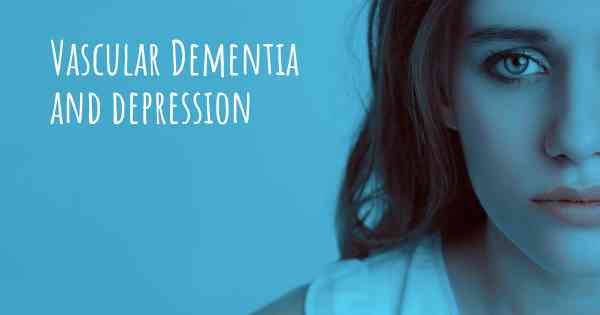
Depression is highly prevalent in patients with Vascular Dementia, affecting an estimated 20% to 50% of individuals due to a combination of direct neurological damage to brain circuits and the emotional impact of cognitive decline. Managing Vascular Dementia requires a multifaceted approach that addresses both the underlying cardiovascular health and the psychological well-being of the patient to improve overall quality of life. Why is depression so common in Vascular Dementia? Depression in Vascular Dementia is often referred to as "vascular depression." This is not merely a reaction to being ill; there are direct biochemical links.
Depression is highly prevalent in patients with Vascular Dementia, affecting an estimated 20% to 50% of individuals due to a combination of direct neurological damage to brain circuits and the emotional impact of cognitive decline. Managing Vascular Dementia requires a multifaceted approach that addresses both the underlying cardiovascular health and the psychological well-being of the patient to improve overall quality of life.
Depression in Vascular Dementia is often referred to as "vascular depression." This is not merely a reaction to being ill; there are direct biochemical links. Because Vascular Dementia is caused by impaired blood flow to the brain, the same lesions that cause cognitive impairment can damage the neural pathways responsible for mood regulation, such as the frontal-subcortical circuits. When these pathways are disrupted, the brain struggles to process emotions, leading to persistent low mood, apathy, and irritability that are distinct from normal grief or sadness.
Patients living with Vascular Dementia frequently encounter a cycle of frustration and withdrawal. Cognitive symptoms, such as executive dysfunction and slowed processing speed, make daily tasks increasingly difficult, which can lead to feelings of helplessness. This is often compounded by physical symptoms like fatigue, mobility issues, or chronic pain resulting from the underlying vascular disease. At DiseaseMaps.org, 21 community members have shared their experiences, often highlighting that the loss of independence is a primary driver of anxiety and depressive symptoms.
Identifying depression in Vascular Dementia can be difficult because symptoms often overlap with dementia itself. Watch for these specific indicators:
Treatment must be personalized. While antidepressant medication (such as SSRIs) is often prescribed, it should be managed by a physician familiar with Vascular Dementia to avoid interactions with blood pressure or cardiovascular medications. Psychotherapeutic approaches like Cognitive Behavioral Therapy (CBT) may need to be adapted; for those with moderate cognitive impairment, Acceptance and Commitment Therapy (ACT) can be highly effective in helping patients accept their new limitations while focusing on values-based living. Support groups, such as those found on DiseaseMaps.org, provide a vital space for both patients and caregivers to reduce the isolation that fuels depression.
You should consult a neuropsychiatrist or a geriatric psychiatrist if you notice a sudden shift in mood or behavior that persists for more than two weeks. If a loved one with Vascular Dementia expresses feelings of worthlessness or mentions that they no longer wish to live, seek immediate medical intervention. If you or someone you know is in immediate distress, please call or text 988 in the U.S. and Canada, or contact your local emergency services immediately.
Medical disclaimer: This information is for educational purposes only and does not constitute professional medical advice, diagnosis, or treatment; always seek the advice of your physician or other qualified health provider with any questions regarding a medical condition.