Short answer · Medically reviewed summary · Last updated: 2026-04-07

Yes, regular physical activity is highly recommended for individuals with Vascular Dementia, as it improves cardiovascular health, enhances cognitive function, and helps manage secondary symptoms like depression and anxiety. Exercise is not contraindicated; rather, it is a vital therapeutic intervention that helps improve blood flow to the brain, which is the primary concern in managing Vascular Dementia progression. Is exercise safe and beneficial for those with Vascular Dementia? For patients living with Vascular Dementia, exercise is widely considered one of the most effective non-pharmacological interventions.

6

Is it advisable to do exercise when affected by Vascular Dementia? Which activities would you suggest and how intense should they be?

Exercise with Vascular Dementia: which activities patients recommend or avoid, and what the evidence says.
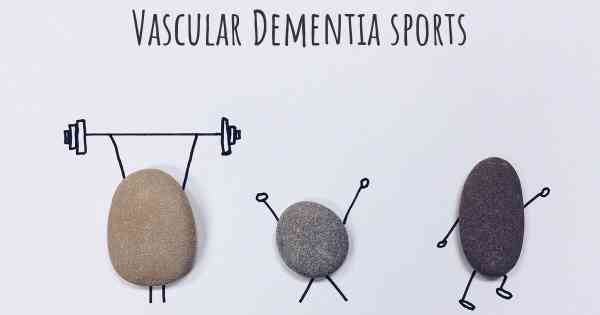
Vascular Dementia sports

Yes, regular physical activity is highly recommended for individuals with Vascular Dementia, as it improves cardiovascular health, enhances cognitive function, and helps manage secondary symptoms like depression and anxiety. Exercise is not contraindicated; rather, it is a vital therapeutic intervention that helps improve blood flow to the brain, which is the primary concern in managing Vascular Dementia progression.


Is exercise safe and beneficial for those with Vascular Dementia?


For patients living with Vascular Dementia, exercise is widely considered one of the most effective non-pharmacological interventions. Because Vascular Dementia is caused by reduced blood flow to the brain—often due to strokes or small vessel disease—activities that improve heart health directly benefit the brain. Engaging in consistent, moderate activity can help maintain functional independence, improve gait stability to prevent falls, and provide a significant boost to mood and overall quality of life for the 21 members of our DiseaseMaps community who are navigating this condition.


What types of exercise are recommended for Vascular Dementia?


The goal of an exercise program for Vascular Dementia is to improve aerobic capacity and strength without causing excessive physical or mental fatigue. We suggest a combination of activities tailored to the individual’s baseline mobility:


  • Walking: A simple, low-impact way to improve cardiovascular health. Aim for 20-30 minutes of brisk walking, or shorter, frequent sessions throughout the day.

  • Swimming or Water Aerobics: These provide excellent resistance while being gentle on joints and reducing the risk of falls.

  • Chair Yoga or Tai Chi: These activities are exceptional for balance and flexibility, which are critical for preventing injury in patients with Vascular Dementia.

  • Light Resistance Training: Using resistance bands or light weights 2-3 times per week can help maintain muscle mass and bone density.


How should one start and progress an exercise program?


Safety is the priority. Before beginning any new regimen, you must obtain medical clearance from your primary care physician or neurologist to ensure your cardiovascular system is stable. Start with a "low and slow" approach: begin with 5–10 minutes of light activity and increase the duration by 5 minutes each week as tolerated. On days when symptoms of Vascular Dementia—such as confusion, fatigue, or mood swings—are more pronounced, utilize "pacing strategies." This means breaking exercise into 5-minute "micro-sessions" spread throughout the day rather than one long, taxing session.


Are there activities to avoid or approach with caution?


Avoid high-impact, high-intensity interval training (HIIT) or activities that require complex, rapid decision-making if you have significant balance or cognitive deficits. Activities involving a high risk of falling, such as cycling on uneven terrain or contact sports, should be avoided. Always ensure you are exercising in a safe, well-lit environment, preferably with a caregiver or partner, to provide both physical support and emotional encouragement.


The role of physical therapy in managing Vascular Dementia


Physical therapy (PT) is highly recommended for patients with Vascular Dementia. A physical therapist can conduct a professional fall-risk assessment and design a customized, evidence-based plan that addresses your specific gait, balance, and strength needs. PT can help bridge the gap between clinical recommendations and home-based routines, ensuring that you exercise safely and effectively.


Next steps


  • Consult your neurologist or primary care physician to receive clearance for a structured exercise program.

  • Request a referral to a physical therapist who specializes in geriatric care or cognitive disorders.

  • Join our DiseaseMaps community to connect with others who have Vascular Dementia and share tips on maintaining an active lifestyle.

  • Start a simple walking log to track your progress and celebrate small victories.


Medical disclaimer: This content is for informational purposes only and does not constitute medical advice, diagnosis, or treatment; always seek the advice of your physician or other qualified health provider with any questions regarding a medical condition.


References


  • National Institute on Aging (NIA) - Vascular Dementia Information

  • NIH Genetic and Rare Diseases Information Center (GARD)

  • Alzheimer’s Association - Physical Activity and Brain Health

  • Orphanet: Portal for rare diseases and orphan drugs

Author: DiseaseMaps Editorial Team
Reviewed against authoritative medical sources (NIH GARD, Orphanet, OMIM)
Last updated: 2026-04-07
Sources cited: National Institute on Aging (NIA) - Vascular Dementia Information · NIH Genetic and Rare Diseases Information Center (GARD) · Alzheimer’s Association - Physical Activity and Brain Health · Orphanet: Portal for rare diseases and orphan drugs · WHO
Medical disclaimer: This information does not substitute professional medical advice. Always consult your doctor before making health decisions.
Source: DiseaseMaps.org
1 answer

Vascular Dementia sports

Vascular Dementia life expectancy

What is the life expectancy of someone with Vascular Dementia?

1 answer
Celebrities with Vascular Dementia

Celebrities with Vascular Dementia

1 answer
Is Vascular Dementia hereditary?

Is Vascular Dementia hereditary?

1 answer
Is Vascular Dementia contagious?

Is Vascular Dementia contagious?

1 answer
ICD9 and ICD10 codes of Vascular Dementia

ICD10 code of Vascular Dementia and ICD9 code

1 answer
Natural treatment of Vascular Dementia

Is there any natural treatment for Vascular Dementia?

1 answer
Living with Vascular Dementia

Living with Vascular Dementia. How to live with Vascular Dementia?

1 answer
Vascular Dementia diet

Vascular Dementia diet. Is there a diet which improves the quality of life ...

1 answer

World map of Vascular Dementia

Find people with Vascular Dementia through the map. Connect with them and share experiences. Join the Vascular Dementia community.

Stories of Vascular Dementia

VASCULAR DEMENTIA STORIES

Tell your story and help others

Tell my story

Vascular Dementia forum

VASCULAR DEMENTIA FORUM

Ask a question and get answers from other users.

Ask a question

Find your symptoms soulmates

From now on you can add your symptoms in diseasemaps and find your symptoms soulmates. Symptoms soulmates are people with similar symptoms to you.

Symptoms soulmates

Add your symptoms and discover your soulmates map

Soulmates map