Short answer · Medically reviewed summary · Last updated: 2026-04-07
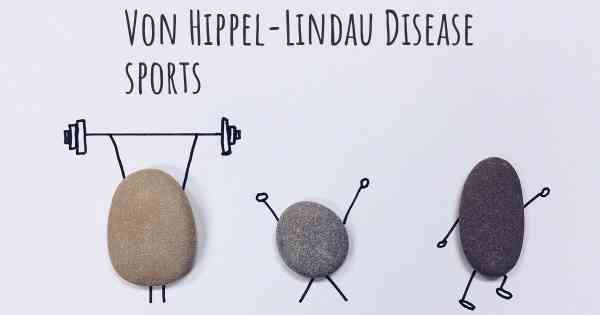
For patients with Von Hippel-Lindau (VHL) disease, regular, low-to-moderate intensity exercise is generally recommended and beneficial for maintaining cardiovascular health, muscle tone, and mental well-being. However, because VHL disease involves the development of tumors in various organs, it is essential to obtain clearance from your multidisciplinary medical team before starting any new fitness routine to ensure that blood pressure and organ-specific risks are appropriately managed. Is exercise safe for someone with Von Hippel-Lindau disease? Living with Von Hippel-Lindau disease can feel overwhelming, but physical activity is a powerful tool for improving quality of life.
3 people with Von Hippel-Lindau Disease have shared their first-person experience on this question at DiseaseMaps.
For patients with Von Hippel-Lindau (VHL) disease, regular, low-to-moderate intensity exercise is generally recommended and beneficial for maintaining cardiovascular health, muscle tone, and mental well-being. However, because VHL disease involves the development of tumors in various organs, it is essential to obtain clearance from your multidisciplinary medical team before starting any new fitness routine to ensure that blood pressure and organ-specific risks are appropriately managed.
Living with Von Hippel-Lindau disease can feel overwhelming, but physical activity is a powerful tool for improving quality of life. For the 100 individuals in the DiseaseMaps community currently managing Von Hippel-Lindau disease, exercise helps combat fatigue and stress. The primary concern in Von Hippel-Lindau disease is managing blood pressure and avoiding activities that place excessive strain on organs where hemangioblastomas or cysts may be present, such as the kidneys or spine. With medical supervision, movement is not just safe—it is encouraged to help you feel stronger and more in control of your body.
The goal is to focus on steady, aerobic movement that keeps your heart rate in a moderate zone without causing spikes in blood pressure. Low-impact activities are generally the most sustainable for those with Von Hippel-Lindau disease, especially if you have experienced spinal or neurological involvement. Recommended activities include:
While movement is vital, you must avoid activities that cause extreme spikes in blood pressure or carry a high risk of abdominal impact. Avoid heavy powerlifting, contact sports (such as football or martial arts), and high-intensity interval training (HIIT) unless specifically cleared by your oncologist or surgeon. Because Von Hippel-Lindau disease can cause cysts in the kidneys, any activity with a high risk of trauma to the abdomen or back should be avoided to prevent potential injury.
Progression should be slow and intentional. Start by tracking your baseline and following these steps:
Medical disclaimer: This information is for educational purposes only and does not replace professional medical advice, diagnosis, or treatment; always consult your primary care physician or specialist before beginning a new exercise regimen.