Short answer · Medically reviewed summary · Last updated: 2026-04-07

Von Willebrand Disease (VWD) is a common, often underdiagnosed genetic bleeding disorder caused by a deficiency or dysfunction of the von Willebrand factor protein, which helps blood clot. You may suspect you have Von Willebrand Disease if you experience a lifelong history of easy bruising, frequent nosebleeds, or heavy menstrual bleeding that exceeds typical physiological norms. What are the early signs of Von Willebrand Disease? Because Von Willebrand Disease is a spectrum disorder, symptoms vary significantly from person to person.

14

How do I know if I have Von Willebrand Disease?

Could you have Von Willebrand Disease? Early signs that prompted real patients to seek diagnosis, plus medically reviewed guidance.

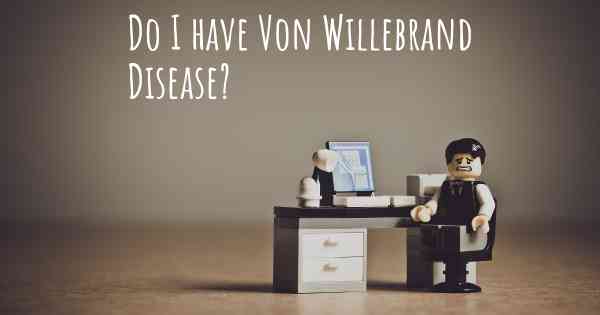
Do I have Von Willebrand Disease?

Von Willebrand Disease (VWD) is a common, often underdiagnosed genetic bleeding disorder caused by a deficiency or dysfunction of the von Willebrand factor protein, which helps blood clot. You may suspect you have Von Willebrand Disease if you experience a lifelong history of easy bruising, frequent nosebleeds, or heavy menstrual bleeding that exceeds typical physiological norms.


What are the early signs of Von Willebrand Disease?


Because Von Willebrand Disease is a spectrum disorder, symptoms vary significantly from person to person. Many individuals with mild forms may go undiagnosed until they experience significant blood loss during surgery or childbirth. Early indicators often include gums that bleed easily when brushing, skin that bruises from minor bumps, and prolonged bleeding from small cuts that lasts longer than 10 minutes. If you notice these patterns, it is important to track them in a symptom diary to share with your healthcare provider.


How can I recognize patterns of Von Willebrand Disease?


Distinguishing between normal variation and potential Von Willebrand Disease requires looking at the frequency and severity of your bleeding events. While occasional bruising is common, VWD often presents as a persistent, lifelong pattern. Key patterns to monitor include:


  • Menstrual Health: Menstrual periods lasting longer than 7 days or requiring a change of sanitary products every hour.

  • Surgical History: Excessive bleeding following dental extractions, tonsillectomies, or other minor procedures.

  • Family History: Having first-degree relatives who also report easy bruising or bleeding disorders, as Von Willebrand Disease is typically inherited in an autosomal dominant pattern.

  • Nosebleeds: Frequent, spontaneous nosebleeds (epistaxis) that are difficult to stop.


When should I talk to my doctor and what tests should I request?


If you suspect you have Von Willebrand Disease, schedule an appointment with your primary care physician or a hematologist. Be specific: instead of saying "I bruise easily," explain the frequency, the size of the bruises, and how long minor cuts take to clot. To investigate the possibility of Von Willebrand Disease, ask your doctor about a specific "VWD panel," which typically includes:


  1. Von Willebrand factor (VWF) antigen test.

  2. VWF activity (ristocetin cofactor activity) test.

  3. Factor VIII clotting activity.

  4. Multimer analysis (to identify the specific type of the disease).


What are the red flags requiring urgent care?


While many people live with undiagnosed, mild Von Willebrand Disease, certain symptoms require immediate medical attention. Seek emergency care if you experience: unexplained internal bleeding (such as blood in the stool or urine), severe headaches following a head injury, or any bleeding that is profuse and cannot be controlled with direct pressure. These signs could indicate a severe bleeding episode or a complication of the condition.


How do I advocate for myself if my concerns are dismissed?


It is not uncommon for patients with the mildest forms of Von Willebrand Disease to be told their symptoms are "normal." If you feel your concerns are being minimized, request a referral to a hematologist, specifically one who specializes in bleeding disorders. Bring your symptom diary and any family medical history you have gathered. Remember, the 184 members of the DiseaseMaps community who live with Von Willebrand Disease have often had to advocate for themselves to reach a diagnosis; you are your own best health advocate.


Next steps


  • Consult a hematologist for specialized coagulation testing.

  • Document your bleeding history, including duration and intensity of events.

  • Gather family health history regarding unexplained bleeding or surgeries.

  • Join the DiseaseMaps.org community to connect with others sharing their experiences with Von Willebrand Disease.


Medical Disclaimer: This information is for educational purposes only and does not replace professional medical advice, diagnosis, or treatment; always consult with a qualified healthcare provider regarding your health concerns.


References


  • NIH Genetic and Rare Diseases Information Center (GARD): Von Willebrand Disease.

  • Orphanet: Rare Disease Database (ORPHA:900).

  • National Hemophilia Foundation (NHF): VWD Diagnosis and Management Guidelines.

  • OMIM (Online Mendelian Inheritance in Man): Von Willebrand Factor (VWF) entry #193400.

Author: DiseaseMaps Editorial Team
Reviewed against authoritative medical sources (NIH GARD, Orphanet, OMIM)
Last updated: 2026-04-07
Medical disclaimer: This information does not substitute professional medical advice. Always consult your doctor before making health decisions.
Source: DiseaseMaps.org
1 answer

Do I have Von Willebrand Disease?

Von Willebrand Disease life expectancy

What is the life expectancy of someone with Von Willebrand Disease?

2 answers
Celebrities with Von Willebrand Disease

Celebrities with Von Willebrand Disease

1 answer
Is Von Willebrand Disease hereditary?

Is Von Willebrand Disease hereditary?

2 answers
Is Von Willebrand Disease contagious?

Is Von Willebrand Disease contagious?

1 answer
ICD9 and ICD10 codes of Von Willebrand Disease

ICD10 code of Von Willebrand Disease and ICD9 code

1 answer
Natural treatment of Von Willebrand Disease

Is there any natural treatment for Von Willebrand Disease?

2 answers
Living with Von Willebrand Disease

Living with Von Willebrand Disease. How to live with Von Willebrand Disease...

2 answers
Von Willebrand Disease diet

Von Willebrand Disease diet. Is there a diet which improves the quality of ...

2 answers

World map of Von Willebrand Disease

Find people with Von Willebrand Disease through the map. Connect with them and share experiences. Join the Von Willebrand Disease community.

Stories of Von Willebrand Disease

VON WILLEBRAND DISEASE STORIES
Von Willebrand Disease stories
Im a 28 year old girl with type 3 von williebrands disease, and borderline personality disorder.  I live in manchester, uk and live with my husband and my 3 cats.  I was diagnosed when I was 13 months old, after excessive bruising, nosebleeds, an...
Von Willebrand Disease stories
vWD type 3
Von Willebrand Disease stories
My 4 year old son was diagnosed with severe type 2a last year after an extreme series of nose bleeds. Currently undergoing tests for a few other issues too. Medication and preventative measures have become a way of life for him now.
Von Willebrand Disease stories
Inherited from my father, who inherited from his father.  Also have an aunt who has it.  

Tell your story and help others

Tell my story

Von Willebrand Disease forum

VON WILLEBRAND DISEASE FORUM

Ask a question and get answers from other users.

Ask a question

Find your symptoms soulmates

From now on you can add your symptoms in diseasemaps and find your symptoms soulmates. Symptoms soulmates are people with similar symptoms to you.

Symptoms soulmates

Add your symptoms and discover your soulmates map

Soulmates map