Short answer · Medically reviewed summary · Last updated: 2026-05-08
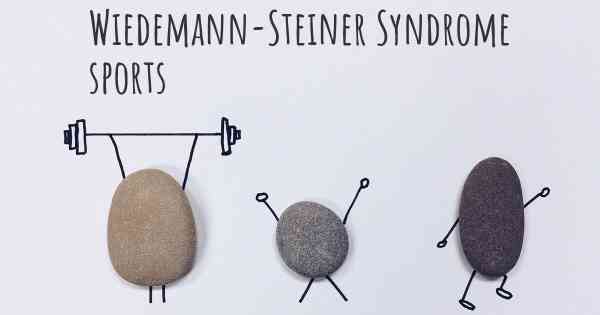
Yes, regular physical activity is highly recommended for individuals with Wiedemann-Steiner Syndrome, as it helps improve muscle tone, motor coordination, and overall quality of life. While exercise should be tailored to the specific developmental and physical needs of each person, movement is a safe and beneficial way to manage the unique challenges associated with Wiedemann-Steiner Syndrome. What are the benefits of exercise for Wiedemann-Steiner Syndrome? Because Wiedemann-Steiner Syndrome is often associated with hypotonia (low muscle tone) and developmental delays, exercise serves as a vital therapeutic tool.
2 people with Wiedemann-Steiner Syndrome have shared their first-person experience on this question at DiseaseMaps.
Yes, regular physical activity is highly recommended for individuals with Wiedemann-Steiner Syndrome, as it helps improve muscle tone, motor coordination, and overall quality of life. While exercise should be tailored to the specific developmental and physical needs of each person, movement is a safe and beneficial way to manage the unique challenges associated with Wiedemann-Steiner Syndrome.
Because Wiedemann-Steiner Syndrome is often associated with hypotonia (low muscle tone) and developmental delays, exercise serves as a vital therapeutic tool. Consistent physical activity helps build core strength, improves balance, and enhances gross motor skills. Beyond physical gains, movement can significantly boost mood, reduce anxiety, and improve sleep patterns for those living with Wiedemann-Steiner Syndrome.
The best approach is to focus on low-impact, functional movements that build strength without overexertion. For many in our DiseaseMaps community of 193 members, success is found in activities that emphasize stability and coordination:
Safety is the priority when starting an exercise routine for Wiedemann-Steiner Syndrome. Always begin with a medical clearance from your primary physician or a geneticist to identify any specific cardiac or orthopedic considerations. A licensed physical therapist is essential for creating a personalized plan that accounts for the developmental pace of the individual. Start with short, 10-15 minute sessions and prioritize "pacing"—if a day is particularly difficult due to fatigue, focus on gentle range-of-motion stretches rather than vigorous movement.
Medical disclaimer: This information is for educational purposes only and does not replace professional medical advice, diagnosis, or treatment.