6
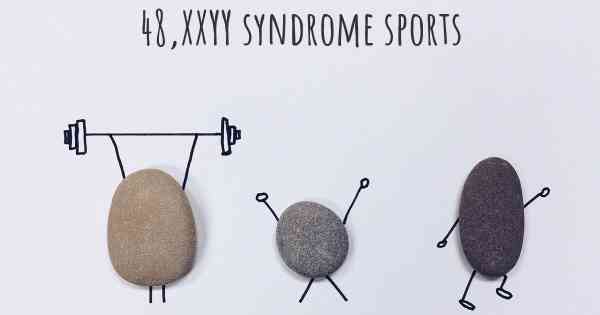
Is it advisable to do exercise when affected by 48,XXYY syndrome? Which activities would you suggest and how intense should they be?
Exercise with 48,XXYY syndrome: which activities patients recommend or avoid, and what the evidence says.
KS affects different people in different ways.
High blood pressure, diabetes, osteoporosis, heart problems, obesity, lung function and blood clotting problems are all reported problems with KS.
Regular but not over the top resistance exercise will reduce most of the above problems along with some cardio exercise such as running, cycling, rowing, etc to help with high blood pressure, heart issues, lung function and blood related issues.
Resistance exercise (weight lifting) will reduce the risks of osteoporosis.
High blood pressure, diabetes, osteoporosis, heart problems, obesity, lung function and blood clotting problems are all reported problems with KS.
Regular but not over the top resistance exercise will reduce most of the above problems along with some cardio exercise such as running, cycling, rowing, etc to help with high blood pressure, heart issues, lung function and blood related issues.
Resistance exercise (weight lifting) will reduce the risks of osteoporosis.
Posted Mar 4, 2017 by Ash 1120