Short answer · Medically reviewed summary · Last updated: 2026-04-07
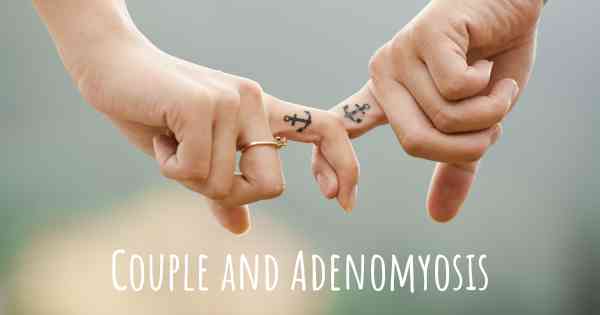
Navigating romantic relationships while living with Adenomyosis can be challenging due to chronic pain and fatigue, but open communication and proactive management often foster deeper emotional intimacy and resilience. Intimacy and Impact on Relationships Adenomyosis frequently causes dyspareunia (painful intercourse) and chronic pelvic pain, which can lead to feelings of frustration, guilt, or withdrawal. It is common to feel disconnected from one's body, which impacts libido and self-esteem.
1 people with Adenomyosis have shared their first-person experience on this question at DiseaseMaps.
Navigating romantic relationships while living with Adenomyosis can be challenging due to chronic pain and fatigue, but open communication and proactive management often foster deeper emotional intimacy and resilience.
Adenomyosis frequently causes dyspareunia (painful intercourse) and chronic pelvic pain, which can lead to feelings of frustration, guilt, or withdrawal. It is common to feel disconnected from one's body, which impacts libido and self-esteem. Acknowledging that your partner may feel helpless when seeing you in pain is a crucial step in maintaining a healthy bond.
Discussing Adenomyosis early requires honesty about your "low-energy" days versus "high-energy" days. Using "I" statements—such as "I am experiencing a flare-up and need to rest, but I still value our time together"—helps prevent your partner from feeling personally rejected. Transparency about the unpredictable nature of this condition allows for shared problem-solving rather than individual isolation.
Intimacy does not always require sexual activity; non-sexual physical touch, such as cuddling or massage, can sustain closeness when intercourse is painful. For partners, supporting someone with Adenomyosis involves listening without always trying to "fix" the pain. Partners should prioritize self-care to avoid caregiver burnout, ensuring they have their own support systems.
While Adenomyosis is not strictly "hereditary" in the way single-gene disorders are, it is often associated with other conditions like endometriosis that may have familial components. If fertility is a concern, consult a reproductive endocrinologist early. If chronic pain begins to define the relationship’s dynamic, seeking a couples therapist who specializes in chronic illness can provide a safe space to navigate the intersection of medical reality and emotional partnership.
Disclaimer: This information is for educational purposes and does not replace professional medical advice, diagnosis, or treatment. Always consult with a qualified healthcare provider regarding your specific medical needs.