6
Is it advisable to do exercise when affected by Asperger Syndrome? Which activities would you suggest and how intense should they be?
Exercise with Asperger Syndrome: which activities patients recommend or avoid, and what the evidence says.
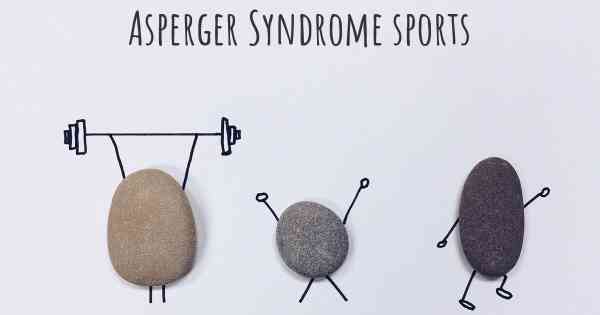
There is No reason why some one with Asperger's cannot exercise or take part in physical activities.
Exercise will help with anger issues
Exercise will help with anger issues
Posted May 18, 2017 by Sarah Jane 5070
Well, as walking is exercise when you walk a fair distance and if you have poor coordination, that is what should be recommended.
Posted May 25, 2017 by Emrys Helstorm 1850
Yes I would recommend individualized sports
Posted Nov 20, 2019 by Amy 13500
Translated from spanish
Improve translation
All people should do sports.
The sport releases endorphins and that improves your mood.
In addition, to make sport of us guarantee a healthy life.
The sport releases endorphins and that improves your mood.
In addition, to make sport of us guarantee a healthy life.
Posted Jul 22, 2017 by Jhoanna 2000
Translated from spanish
Improve translation
There is no sport in particular, however, the practice of sport involves well-being and that is good. That is a sport that you like the person ...
Posted Sep 1, 2017 by Montserrat Manresa Boixet 2050
Translated from spanish
Improve translation
if swimming or pool, hiking or any outdoor sport, and on the whole to be in a group that also helps to improve their links to social.
Posted Oct 27, 2017 by Sandra 2900