Short answer · Medically reviewed summary · Last updated: 2026-04-06

Regular physical activity is highly recommended for individuals with Autism, as it offers significant benefits for motor coordination, emotional regulation, and overall physical health. The Benefits of Movement For those living with Autism, exercise is much more than physical conditioning; it is a vital tool for sensory integration and symptom management. Research suggests that structured movement can help reduce repetitive behaviors, improve sleep quality, and lower anxiety levels.

3 people with Autism have shared their first-person experience on this question at DiseaseMaps.

6

Is it advisable to do exercise when affected by Autism? Which activities would you suggest and how intense should they be?

Exercise with Autism: which activities patients recommend or avoid, and what the evidence says.
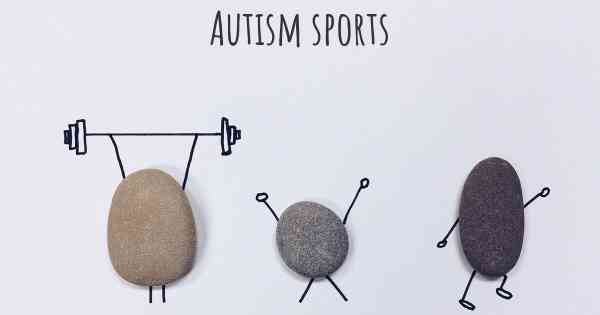
Autism sports

Regular physical activity is highly recommended for individuals with Autism, as it offers significant benefits for motor coordination, emotional regulation, and overall physical health.


The Benefits of Movement


For those living with Autism, exercise is much more than physical conditioning; it is a vital tool for sensory integration and symptom management. Research suggests that structured movement can help reduce repetitive behaviors, improve sleep quality, and lower anxiety levels. Engaging in consistent physical activity provides a constructive outlet for energy and helps build the core strength and balance often required to navigate daily environments more confidently.


Recommended Activities and Intensity


When incorporating movement into a routine for Autism, the goal is to focus on activities that match the individual's sensory preferences and physical abilities.


  • Swimming: Often preferred due to the calming, deep-pressure sensation of water, which can be highly soothing.

  • Walking or Hiking: Provides predictable, rhythmic movement in a controlled outdoor environment.

  • Yoga: Excellent for improving body awareness and mindfulness, which can assist in emotional regulation.

  • Strength Training: When performed with a trainer, it helps build functional independence.


Start with low-intensity, short-duration sessions—perhaps 10 to 15 minutes—and gradually increase the duration as comfort grows. Always prioritize activities that the individual finds enjoyable to ensure long-term adherence.


Approaching Exercise Safely


If an individual experiences sensory overload or a "difficult day," it is perfectly acceptable to adapt the intensity by shifting to gentle stretching or rhythmic rocking instead of high-impact exercise. A clinical physical therapist can provide a personalized plan tailored to the specific motor challenges often associated with Autism. Before starting any new program, consult with a primary care physician to rule out any underlying health concerns. Remember, the journey toward better health with Autism is a marathon, not a sprint; progress is measured by consistency and well-being, not by hitting elite athletic milestones.


Medical Disclaimer: This information is for educational purposes and does not replace professional medical advice. Always consult with your healthcare provider or a qualified physical therapist before beginning or modifying an exercise program to ensure it is appropriate for your specific health needs.


References


  • NIH Genetic and Rare Diseases Information Center (GARD)

  • Autism Speaks: Physical Activity and Exercise Resources

  • Journal of Autism and Developmental Disorders (via PubMed)

Author: DiseaseMaps Editorial Team
Reviewed against authoritative medical sources (NIH GARD, Orphanet, OMIM)
Last updated: 2026-04-06
Sources cited: NIH Genetic and Rare Diseases Information Center (GARD) · Autism Speaks: Physical Activity and Exercise Resources · Journal of Autism and Developmental Disorders (via PubMed)
Medical disclaimer: This information does not substitute professional medical advice. Always consult your doctor before making health decisions.
Source: DiseaseMaps.org
4 answers
I don’t see why not you should however take abnormal coordination in consideration

Posted Sep 29, 2019 by Amy 13500
Unless they have another condition, why not? A lot of Autistic people aren't that into sports (and sweat can be a sensory problem), but it doesn't really affect someone's physical ability to do anything.

Posted Dec 9, 2019 by alexanderyanj 2520
Translated from french Improve translation
It can't hurt...once again it depends on the person and the problems encountered but in general the sports too collective or touch are not suitable .

Posted Sep 30, 2017 by Lili 1000
Autism sports

Autism life expectancy

What is the life expectancy of someone with Autism?

4 answers
Celebrities with Autism

Celebrities with Autism

3 answers
Is Autism hereditary?

Is Autism hereditary?

3 answers
Is Autism contagious?

Is Autism contagious?

3 answers
ICD9 and ICD10 codes of Autism

ICD10 code of Autism and ICD9 code

3 answers
Natural treatment of Autism

Is there any natural treatment for Autism?

3 answers
Living with Autism

Living with Autism. How to live with Autism?

4 answers
Autism diet

Autism diet. Is there a diet which improves the quality of life of people w...

4 answers

World map of Autism

Find people with Autism through the map. Connect with them and share experiences. Join the Autism community.

Stories of Autism

AUTISM STORIES
Autism stories
I was born autistic, but I wasn't diagnosed until I became an adult. With co-morbid ADHD (combined type), this made life a lot harder than it needed to be. Unbeknownst to me and my family, this was most likely the cause of all the bullying I went ...
Autism stories
I was diagnosed with Autism at age 2, since then I had 2 behaviourists and 2 different therapies, way later on I was also diagnosed with dyscalculia and since transferring to Ms. Misty's class I've been doing better, but I'm still really bad at math....

Tell your story and help others

Tell my story

Autism forum

AUTISM FORUM

Ask a question and get answers from other users.

Ask a question

Find your symptoms soulmates

From now on you can add your symptoms in diseasemaps and find your symptoms soulmates. Symptoms soulmates are people with similar symptoms to you.

Symptoms soulmates

Add your symptoms and discover your soulmates map

Soulmates map