Short answer · Medically reviewed summary · Last updated: 2026-04-06

You can determine if you have Autism by undergoing a formal clinical evaluation conducted by a multidisciplinary team, as there is no single blood test or physical exam that can diagnose the condition. Recognizing the Signs Autism is a neurodevelopmental condition characterized by persistent challenges in social communication and the presence of restricted, repetitive patterns of behavior or interests. Many adults discover they have Autism after recognizing lifelong patterns, such as difficulty interpreting social cues, a deep need for routine, or intense, specialized interests.

2 people with Autism have shared their first-person experience on this question at DiseaseMaps.

14

How do I know if I have Autism?

Could you have Autism? Early signs that prompted real patients to seek diagnosis, plus medically reviewed guidance.
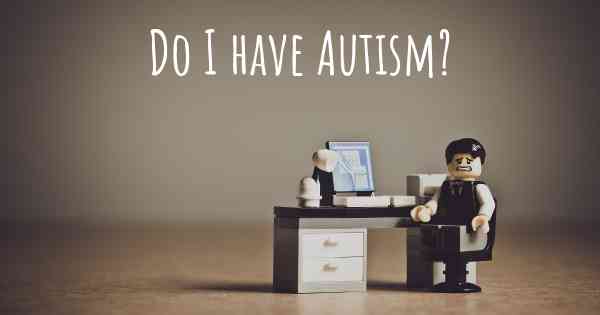
Do I have Autism?

You can determine if you have Autism by undergoing a formal clinical evaluation conducted by a multidisciplinary team, as there is no single blood test or physical exam that can diagnose the condition.


Recognizing the Signs


Autism is a neurodevelopmental condition characterized by persistent challenges in social communication and the presence of restricted, repetitive patterns of behavior or interests. Many adults discover they have Autism after recognizing lifelong patterns, such as difficulty interpreting social cues, a deep need for routine, or intense, specialized interests. Unlike typical social variation, Autism often involves a fundamental difference in how the brain processes sensory information—such as becoming easily overwhelmed by lights or textures—and how one navigates social reciprocity.


When to Seek Professional Guidance


If you feel your social or sensory experiences significantly impact your quality of life, it is time to speak with your primary care physician. Be specific: instead of saying "I think I have Autism," describe your lived experience. Say, "I struggle with social exhaustion, find sensory environments painful, and rely on rigid routines to function; I would like a referral to a specialist trained in adult neurodivergence."


Advocating for Your Health


If your concerns are dismissed, remember that you are the expert on your own life. Ask your doctor to document the refusal in your medical chart, which often prompts a review of the request. Seek a second opinion from a clinician who specializes in Autism, as many general practitioners may not be trained to identify the subtle ways the condition presents in adulthood.


Clinical Assessment


There are no "red flags" requiring urgent medical intervention unless you are experiencing a crisis of mental health or safety. When seeking an evaluation, ask for assessments using standardized tools like the ADOS-2 (Autism Diagnostic Observation Schedule) or the ADI-R, which are considered gold standards for identifying Autism. Remember that a diagnosis is not a label of limitation, but a tool to help you understand your unique neurological profile.


Disclaimer: This information is for educational purposes and does not substitute for professional medical advice, diagnosis, or treatment. Always seek the advice of a qualified healthcare provider with any questions regarding a medical condition.


References


  • NIH Genetic and Rare Diseases Information Center (GARD): Autism Spectrum Disorder

  • Orphanet: Autism Spectrum Disorder

  • Autism Self Advocacy Network (ASAN)

Author: DiseaseMaps Editorial Team
Reviewed against authoritative medical sources (NIH GARD, Orphanet, OMIM)
Last updated: 2026-04-06
Medical disclaimer: This information does not substitute professional medical advice. Always consult your doctor before making health decisions.
Source: DiseaseMaps.org
3 answers
If you have trouble socializing or have other signs go to a psychiatrist

Posted Sep 29, 2019 by Amy 13500
A lot more people are Autistic than most people think. Look up the diagnostic criteria (ASAN's is easier to read and apply to oneself), if that sounds like you get connected with the community and see if you relate to things other people are saying. As an adult, it's really had to get a doctor to take you seriously, but honestly, the only thing you get out of diagnosis is hard proof in a legal, medical, or very intense social situation (as seen in phrases like 'oh yeah? prove it!'). If you don't relate at all to any Autistic experiences, you might not be Autistic. Simple as that.

Posted Dec 9, 2019 by alexanderyanj 2520
Do I have Autism?

Autism life expectancy

What is the life expectancy of someone with Autism?

4 answers
Celebrities with Autism

Celebrities with Autism

3 answers
Is Autism hereditary?

Is Autism hereditary?

3 answers
Is Autism contagious?

Is Autism contagious?

3 answers
ICD9 and ICD10 codes of Autism

ICD10 code of Autism and ICD9 code

3 answers
Natural treatment of Autism

Is there any natural treatment for Autism?

3 answers
Living with Autism

Living with Autism. How to live with Autism?

4 answers
Autism diet

Autism diet. Is there a diet which improves the quality of life of people w...

4 answers

World map of Autism

Find people with Autism through the map. Connect with them and share experiences. Join the Autism community.

Stories of Autism

AUTISM STORIES
Autism stories
I was born autistic, but I wasn't diagnosed until I became an adult. With co-morbid ADHD (combined type), this made life a lot harder than it needed to be. Unbeknownst to me and my family, this was most likely the cause of all the bullying I went ...
Autism stories
I was diagnosed with Autism at age 2, since then I had 2 behaviourists and 2 different therapies, way later on I was also diagnosed with dyscalculia and since transferring to Ms. Misty's class I've been doing better, but I'm still really bad at math....

Tell your story and help others

Tell my story

Autism forum

AUTISM FORUM

Ask a question and get answers from other users.

Ask a question

Find your symptoms soulmates

From now on you can add your symptoms in diseasemaps and find your symptoms soulmates. Symptoms soulmates are people with similar symptoms to you.

Symptoms soulmates

Add your symptoms and discover your soulmates map

Soulmates map