Short answer · Medically reviewed summary · Last updated: 2026-05-08
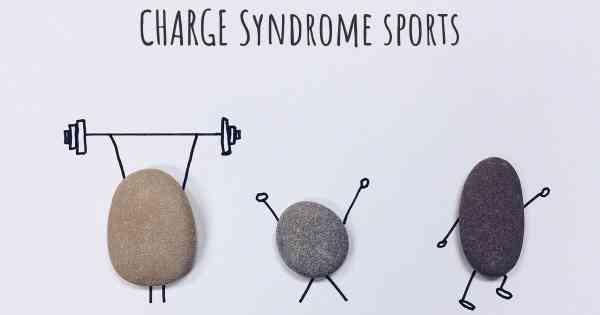
Yes, physical activity is generally recommended for individuals with CHARGE syndrome, as it supports cardiovascular health, muscle tone, and emotional well-being. Because CHARGE syndrome involves complex medical needs, any exercise program must be tailored to the individual’s specific cardiac, balance, and sensory profile under the guidance of a multidisciplinary medical team. Why is exercise beneficial for CHARGE syndrome? For the 122 community members on DiseaseMaps.org living with CHARGE syndrome, staying active can significantly improve quality of life.
2 people with CHARGE Syndrome have shared their first-person experience on this question at DiseaseMaps.
Yes, physical activity is generally recommended for individuals with CHARGE syndrome, as it supports cardiovascular health, muscle tone, and emotional well-being. Because CHARGE syndrome involves complex medical needs, any exercise program must be tailored to the individual’s specific cardiac, balance, and sensory profile under the guidance of a multidisciplinary medical team.
For the 122 community members on DiseaseMaps.org living with CHARGE syndrome, staying active can significantly improve quality of life. Exercise helps counteract the low muscle tone (hypotonia) often seen in CHARGE syndrome, improves core stability for those with vestibular challenges, and provides a necessary outlet for stress. Regular, gentle movement can also help manage the fatigue often associated with the multisystemic nature of this condition.
Safety and enjoyment are paramount. Activities should be selected based on the individual's sensory needs and physical capabilities:
Pacing is essential when managing the energy fluctuations common in CHARGE syndrome. On difficult days, focus on "movement snacks"—short, low-intensity activities like gentle stretching or seated movements—rather than a full workout. Always prioritize medical clearance from a cardiologist, as heart defects are common in CHARGE syndrome. Start with 5–10 minute sessions, gradually increasing duration by no more than 10% per week as tolerated.
Medical disclaimer: This information is for educational purposes only and does not replace professional medical advice, diagnosis, or treatment.