Short answer · Medically reviewed summary · Last updated: 2026-05-08
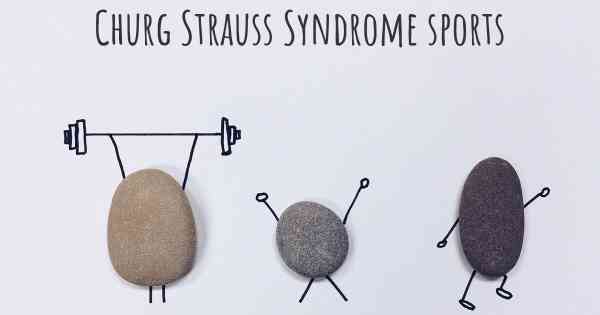
Yes, regular physical activity is generally recommended and beneficial for patients with Churg Strauss Syndrome (also known as Eosinophilic Granulomatosis with Polyangiitis, or EGPA), provided it is managed carefully. Exercise helps combat muscle atrophy, improves cardiovascular health, and boosts mental well-being, but it must be tailored to your current disease activity level and guided by your medical team. Is exercise safe for Churg Strauss Syndrome patients? For those living with Churg Strauss Syndrome, exercise is a vital tool for managing fatigue and maintaining joint mobility.
Yes, regular physical activity is generally recommended and beneficial for patients with Churg Strauss Syndrome (also known as Eosinophilic Granulomatosis with Polyangiitis, or EGPA), provided it is managed carefully. Exercise helps combat muscle atrophy, improves cardiovascular health, and boosts mental well-being, but it must be tailored to your current disease activity level and guided by your medical team.
For those living with Churg Strauss Syndrome, exercise is a vital tool for managing fatigue and maintaining joint mobility. While it is rarely contraindicated, it must be approached with caution during flares or when organ involvement—such as heart or lung issues—is present. Always seek medical clearance from your rheumatologist before starting a new routine to ensure your current inflammation levels are stable.
Low-impact activities are generally best for those managing Churg Strauss Syndrome. These allow you to build strength and endurance without placing excessive stress on your joints or cardiovascular system. Recommended activities include:
The key to success with Churg Strauss Syndrome is "pacing." On high-fatigue days, do not force a full workout; instead, opt for gentle stretching or restorative yoga. If you feel increased joint pain or shortness of breath, stop immediately. At DiseaseMaps.org, 126 community members have shared their experiences, often noting that tracking symptoms alongside activity helps identify their personal threshold for exertion.
Medical disclaimer: This content is for educational purposes only and does not replace professional medical advice, diagnosis, or treatment; always consult your healthcare provider regarding your specific health needs.