Short answer · Medically reviewed summary · Last updated: 2026-05-08
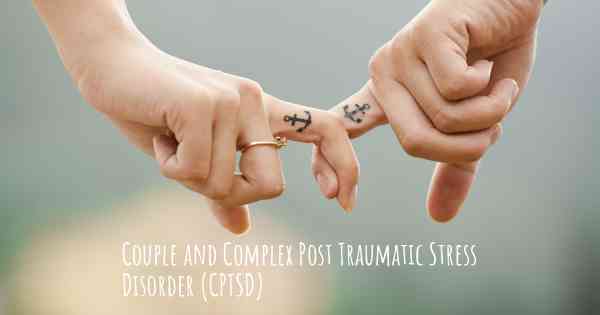
Navigating romantic relationships while living with Complex Post Traumatic Stress Disorder (CPTSD) can be challenging, as the condition often impacts trust, emotional regulation, and intimacy. While maintaining healthy connections is entirely possible, it requires open communication, self-awareness, and a partnership built on mutual understanding of how CPTSD symptoms manifest. How does CPTSD affect romantic relationships and intimacy? CPTSD often stems from prolonged trauma, which can lead to difficulties with emotional regulation, persistent feelings of worthlessness, and challenges in forming secure attachments.
1 people with Complex Post Traumatic Stress Disorder (CPTSD) have shared their first-person experience on this question at DiseaseMaps.
Navigating romantic relationships while living with Complex Post Traumatic Stress Disorder (CPTSD) can be challenging, as the condition often impacts trust, emotional regulation, and intimacy. While maintaining healthy connections is entirely possible, it requires open communication, self-awareness, and a partnership built on mutual understanding of how CPTSD symptoms manifest.
CPTSD often stems from prolonged trauma, which can lead to difficulties with emotional regulation, persistent feelings of worthlessness, and challenges in forming secure attachments. Individuals with CPTSD may experience "triggers" that cause them to withdraw or react defensively, complicating daily interactions. Intimacy can also be affected, as physical closeness may inadvertently trigger somatic memories or feelings of vulnerability, requiring a slow, trauma-informed approach to sexual health.
Clear communication is the foundation of managing CPTSD within a partnership. It is essential to explain your triggers and needs during calm moments, rather than during a period of high stress. Consider these strategies for effective dialogue:
Supporting a loved one with CPTSD can be emotionally demanding, making caregiver burnout a real risk. Partners should maintain their own social outlets, seek their own therapy, and recognize that they are not responsible for "curing" the CPTSD. Setting healthy boundaries is not a rejection; it is a necessary practice to ensure the sustainability of the relationship.
Couples counseling is highly recommended when CPTSD symptoms consistently create cycles of conflict or withdrawal. A therapist specializing in trauma can help both partners navigate the dynamics of the condition, ensuring that the relationship remains a source of support rather than a source of stress.
Medical disclaimer: This content is for informational purposes only and does not constitute professional medical advice, diagnosis, or treatment.