Short answer · Medically reviewed summary · Last updated: 2026-04-07
Navigating romantic relationships while living with Dravet Syndrome presents unique challenges due to the condition's unpredictable seizure activity, cognitive impacts, and the necessity for constant medical vigilance. While maintaining a healthy relationship is entirely possible, it requires open communication, shared understanding of medical boundaries, and proactive planning to ensure both partners feel supported and secure. How does Dravet Syndrome impact romantic relationships and intimacy? Dravet Syndrome is a severe form of infantile-onset epilepsy that often persists into adulthood, requiring lifelong management.
1 people with Dravet Syndrome have shared their first-person experience on this question at DiseaseMaps.
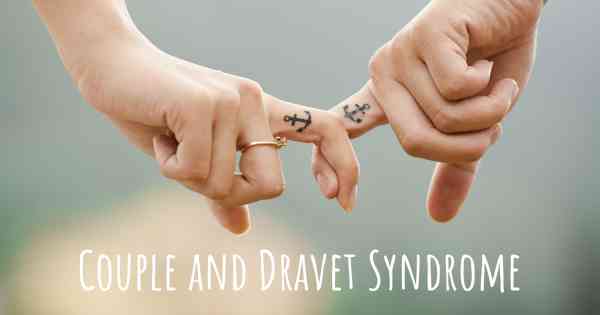
Navigating romantic relationships while living with Dravet Syndrome presents unique challenges due to the condition's unpredictable seizure activity, cognitive impacts, and the necessity for constant medical vigilance. While maintaining a healthy relationship is entirely possible, it requires open communication, shared understanding of medical boundaries, and proactive planning to ensure both partners feel supported and secure.
Dravet Syndrome is a severe form of infantile-onset epilepsy that often persists into adulthood, requiring lifelong management. The primary impact on relationships stems from the unpredictability of seizures, which can create anxiety for both partners. Intimacy may be affected by the physical exhaustion associated with Dravet Syndrome, the side effects of anti-seizure medications, or the psychological strain of managing a chronic, neurodevelopmental condition. It is essential to recognize that intimacy encompasses emotional connection, shared activities, and physical closeness, all of which can be adapted to accommodate the specific needs of someone living with Dravet Syndrome.
Honest and early communication is the foundation of a sustainable partnership when Dravet Syndrome is involved. Discussing your diagnosis early helps set realistic expectations regarding energy levels, potential seizure triggers (such as heat or photosensitivity), and the need for a seizure action plan. Using "I" statements to express your needs—such as "I feel safer when we have a plan for when I am fatigued"—can foster collaboration rather than pressure. By integrating your partner into your care routine, you transform the management of Dravet Syndrome from an individual burden into a shared team effort.
Maintaining a healthy relationship requires balancing the medical requirements of Dravet Syndrome with the pursuit of personal joy and connection. Couples often find success by focusing on the following strategies:
Dravet Syndrome is most commonly caused by a de novo (spontaneous) mutation in the SCN1A gene, meaning it is typically not inherited from parents. However, a clinical geneticist should be consulted to confirm the specific genetic findings. If a parent has the SCN1A mutation, there is a 50% chance of passing the variant to offspring, though the clinical expression can vary. Couples should consult with a genetic counselor to discuss reproductive options, including preimplantation genetic testing (PGT) during IVF, to make informed decisions about starting a family.
Couples counseling is a proactive tool, not just a reactive one. You should consider professional support if the stress of managing Dravet Syndrome begins to overshadow your emotional connection, if communication breaks down due to caregiver burnout, or if you feel isolated by the unique challenges of the condition. A therapist specializing in chronic illness can help you and your partner navigate the intersection of medical necessity and romantic intimacy, ensuring that the needs of both individuals are met.
Medical disclaimer: This information is for educational purposes only and does not replace professional medical advice, diagnosis, or treatment; always seek the advice of your physician or qualified health provider with any questions regarding a medical condition.