Short answer · Medically reviewed summary · Last updated: 2026-04-07
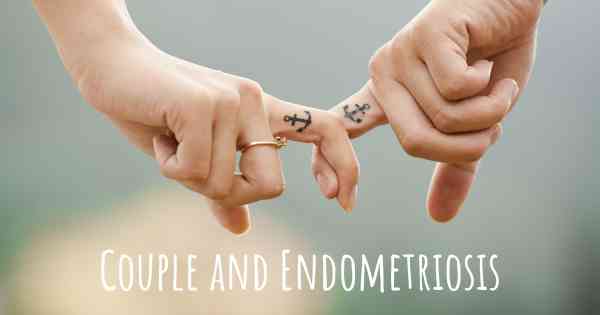
Endometriosis can significantly impact romantic relationships and intimacy due to chronic pelvic pain, fatigue, and potential fertility challenges, but open communication and proactive management can foster deep connection. While these symptoms present unique hurdles, many couples successfully navigate them by prioritizing emotional intimacy, shared understanding, and professional support. How does Endometriosis impact intimacy and romantic relationships? Living with Endometriosis often involves navigating persistent physical pain, which can lead to "pain-anticipation anxiety" regarding sexual activity.
3 people with Endometriosis have shared their first-person experience on this question at DiseaseMaps.
Endometriosis can significantly impact romantic relationships and intimacy due to chronic pelvic pain, fatigue, and potential fertility challenges, but open communication and proactive management can foster deep connection. While these symptoms present unique hurdles, many couples successfully navigate them by prioritizing emotional intimacy, shared understanding, and professional support.
Living with Endometriosis often involves navigating persistent physical pain, which can lead to "pain-anticipation anxiety" regarding sexual activity. This chronic condition may cause dyspareunia (painful intercourse), which can create emotional distance if not addressed openly. Beyond physical symptoms, the invisible nature of Endometriosis—characterized by extreme fatigue and unpredictable flare-ups—can disrupt shared activities and social plans, sometimes leading to feelings of isolation or guilt for the person living with the disease.
Transparent communication is the cornerstone of maintaining a healthy bond when one partner has Endometriosis. It is helpful to frame conversations around how the disease affects your daily energy and physical comfort, rather than focusing solely on the pain. Consider these strategies:
While Endometriosis is not strictly "hereditary" in a simple Mendelian sense, clinical data suggests that first-degree relatives of individuals with the condition are approximately 5 to 7 times more likely to develop it. If you are considering family planning, consult with a reproductive endocrinologist early. Discussing these concerns together helps remove the burden of "fertility stress" from the person with the diagnosis, ensuring that both partners feel like a team throughout the journey.
Seeking help is a sign of strength, not a failure of the relationship. Couples counseling is recommended if you notice a persistent decline in communication, recurring resentment regarding "lost" time or activities, or if intimacy issues are causing significant distress. A therapist specializing in chronic illness can provide tools to manage the emotional weight of Endometriosis while ensuring both partners feel heard and supported.
Caregivers and partners play a vital role in managing Endometriosis, but they must also prioritize their own well-being to avoid burnout. Encourage your partner to pursue their own hobbies and social outlets. Caregivers should practice active listening and validate the reality of the pain, even if they cannot experience it themselves. Remember, the goal is to be a partner in navigating the condition, not the sole manager of it.
Medical disclaimer: This content is for informational purposes only and does not constitute medical advice, diagnosis, or treatment; always seek the advice of your physician or other qualified health provider with any questions regarding a medical condition.