Short answer · Medically reviewed summary · Last updated: 2026-04-07

Depression is a highly prevalent comorbidity in individuals living with epilepsy, affecting approximately 20% to 30% of patients, a rate significantly higher than in the general population. This relationship is bidirectional, meaning the neurological mechanisms of epilepsy can predispose individuals to mood disorders, while the emotional burden of managing a chronic, unpredictable condition further exacerbates psychological distress. Are there neurological links between epilepsy and depression? Yes, the connection between epilepsy and depression is both biological and psychosocial.

24

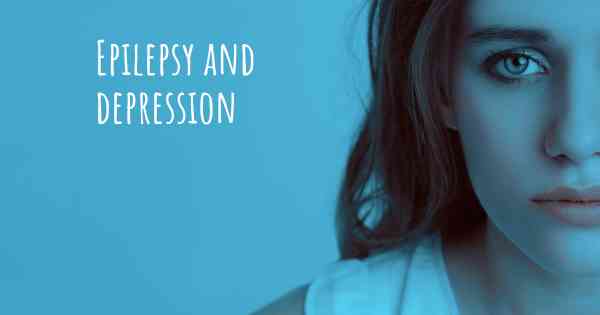
Epilepsy and depression

Epilepsy and depression: how the condition can affect mood, what patients report and when to seek help.

Epilepsy and depression

Depression is a highly prevalent comorbidity in individuals living with epilepsy, affecting approximately 20% to 30% of patients, a rate significantly higher than in the general population. This relationship is bidirectional, meaning the neurological mechanisms of epilepsy can predispose individuals to mood disorders, while the emotional burden of managing a chronic, unpredictable condition further exacerbates psychological distress.


Are there neurological links between epilepsy and depression?


Yes, the connection between epilepsy and depression is both biological and psychosocial. Research suggests that the same brain regions—particularly the temporal and frontal lobes—that are frequently involved in seizure activity also play a critical role in mood regulation. Recurrent electrical discharges can disrupt neurotransmitter pathways, specifically serotonin, norepinephrine, and dopamine, leading to neurochemical imbalances. Furthermore, the stigma associated with epilepsy, the unpredictability of seizures, and the side effects of certain anti-seizure medications (ASMs) create a complex environment that significantly increases the risk for clinical depression.


What are the common emotional and psychological challenges?


Living with epilepsy often involves a loss of autonomy, such as the inability to drive or the fear of having a seizure in public. These factors contribute to profound feelings of isolation, anxiety, and a diminished sense of self-worth. Patients frequently report the following psychological hurdles:


  • Anticipatory anxiety: Constant worry about when the next seizure might occur.

  • Cognitive fatigue: The mental exhaustion caused by both the seizures themselves and the sedative effects of many medications.

  • Social withdrawal: Avoiding social interactions due to fear of stigma or potential injury.

  • Interplay with physical health: Chronic fatigue and the physical limitations imposed by epilepsy often exacerbate feelings of helplessness and depressive symptoms.


How can I recognize the signs of depression?


Recognizing depression in the context of epilepsy can be difficult because symptoms like fatigue or sleep disturbances are often attributed to medication side effects. Key indicators to watch for include persistent sadness, a loss of interest in previously enjoyed activities, significant changes in appetite or sleep patterns, feelings of worthlessness, and difficulty concentrating. If these symptoms persist for more than two weeks, it is essential to consult a healthcare provider.


What are the effective treatment options?


Effective management requires a multidisciplinary approach. Cognitive Behavioral Therapy (CBT) and Acceptance and Commitment Therapy (ACT) have shown success in helping individuals with epilepsy develop coping mechanisms for seizure-related stress. Pharmacological treatment is also an option, though it requires careful coordination with a neurologist to ensure that antidepressants do not interfere with seizure control. Support groups, such as the community of 265 members at DiseaseMaps.org, provide invaluable peer support, helping patients feel less isolated in their journey.


Next steps


  • Schedule an appointment with a neurologist or an epileptologist to discuss how your current medication might be impacting your mood.

  • Seek a referral to a mental health professional who has experience working with patients managing chronic neurological conditions.

  • Join the DiseaseMaps.org community to connect with others who share your lived experience with epilepsy.

  • If you are in immediate distress or having thoughts of self-harm, please contact the 988 Suicide & Crisis Lifeline (in the US) or call your local emergency services immediately.


Medical disclaimer: This content is for informational purposes only and does not constitute professional medical advice, diagnosis, or treatment; always seek the advice of your physician or other qualified health provider with any questions you may have regarding a medical condition.


References


  • NIH National Institute of Neurological Disorders and Stroke (NINDS): Epilepsy Information Page.

  • Epilepsy Foundation: Mental Health and Epilepsy Overview.

  • Orphanet: Rare Disease Database (General Neurology/Epilepsy).

  • PubMed/NCBI: "Prevalence and mechanisms of depression in epilepsy" (Clinical Literature Review).

Author: DiseaseMaps Editorial Team
Reviewed against authoritative medical sources (NIH GARD, Orphanet, OMIM)
Last updated: 2026-04-07
Medical disclaimer: This information does not substitute professional medical advice. Always consult your doctor before making health decisions.
Source: DiseaseMaps.org
1 answer

Epilepsy and depression

Epilepsy life expectancy

What is the life expectancy of someone with Epilepsy?

5 answers
Celebrities with Epilepsy

Celebrities with Epilepsy

1 answer
Is Epilepsy hereditary?

Is Epilepsy hereditary?

4 answers
Is Epilepsy contagious?

Is Epilepsy contagious?

4 answers
ICD9 and ICD10 codes of Epilepsy

ICD10 code of Epilepsy and ICD9 code

4 answers
Natural treatment of Epilepsy

Is there any natural treatment for Epilepsy?

4 answers
Living with Epilepsy

Living with Epilepsy. How to live with Epilepsy?

3 answers
Epilepsy diet

Epilepsy diet. Is there a diet which improves the quality of life of people...

3 answers

World map of Epilepsy

Find people with Epilepsy through the map. Connect with them and share experiences. Join the Epilepsy community.

Stories of Epilepsy

EPILEPSY STORIES
Epilepsy stories
Hi I'm a community nurse and also gained a Diploma in Epilepsy
Epilepsy stories
I have had Epilepsy since I was 3 or 4 years old when I found out I had it I grew up with it and had friends look out for me during my school years. I have been working in North Carolina since 1986  I am on my 2nd marriage and I have two girl's from...
Epilepsy stories
At age 7months, my daughter Mckenzie started having seizures. At this time, age 18 months, neither epitologists nor neurologists have a diagnosis for sure. We've worked our way up the Keppra dosage and have been able to control the seizures for about...
Epilepsy stories
 Phoenix was Diagnosed with  epilepsy may 2014 at the age of 3yrs 7months   he is on 4 different meds that he takes twice a day  he gets 4 different seizures . Absence, tonic Conic, Myoclonic , __Atonic 
Epilepsy stories
My first seizure happened a month shy of my 18th birthday. We all have been through all the test. So I won't bore yeah about them. If you want to talk about what it's like being epileptic chat to me. 

Tell your story and help others

Tell my story

Epilepsy forum

EPILEPSY FORUM

Ask a question and get answers from other users.

Ask a question

Find your symptoms soulmates

From now on you can add your symptoms in diseasemaps and find your symptoms soulmates. Symptoms soulmates are people with similar symptoms to you.

Symptoms soulmates

Add your symptoms and discover your soulmates map

Soulmates map