Short answer · Medically reviewed summary · Last updated: 2026-04-07

The primary treatment goal for Epilepsy is achieving seizure freedom with the fewest side effects, typically initiated through Anti-Seizure Medications (ASMs). When medications are insufficient, treatment plans for Epilepsy may expand to include surgical interventions, dietary therapies, or neurostimulation devices tailored to the individual's specific seizure type and underlying pathology. What are the first-line treatments for Epilepsy? For most individuals diagnosed with Epilepsy, the first-line treatment is the administration of Anti-Seizure Medications (ASMs).

1 people with Epilepsy have shared their first-person experience on this question at DiseaseMaps.

2

What are the best treatments for Epilepsy?

Treatments for Epilepsy: what real patients say works for them, alongside a medically reviewed overview citing sources like NIH GARD and Orphanet.
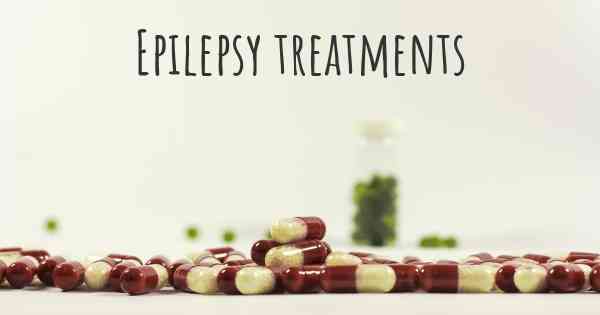
Epilepsy treatments

The primary treatment goal for Epilepsy is achieving seizure freedom with the fewest side effects, typically initiated through Anti-Seizure Medications (ASMs). When medications are insufficient, treatment plans for Epilepsy may expand to include surgical interventions, dietary therapies, or neurostimulation devices tailored to the individual's specific seizure type and underlying pathology.


What are the first-line treatments for Epilepsy?


For most individuals diagnosed with Epilepsy, the first-line treatment is the administration of Anti-Seizure Medications (ASMs). Physicians typically start with a single medication (monotherapy) and adjust the dose based on seizure control and tolerability. Approximately 60% to 70% of people with Epilepsy can achieve seizure control with their first or second medication trial. If two well-tolerated and appropriately chosen ASMs fail to control seizures, the condition is clinically classified as drug-resistant Epilepsy, necessitating a re-evaluation of the diagnosis and exploration of alternative therapeutic pathways.


Which medications are commonly used for Epilepsy?


Medications for Epilepsy are chosen based on the seizure type (focal vs. generalized) and the patient's medical history. Common generic medications and their representative brand names include:


  • Levetiracetam (Keppra)

  • Lamotrigine (Lamictal)

  • Valproate (Depakote)

  • Carbamazepine (Tegretol)

  • Lacosamide (Vimpat)

  • Topiramate (Topamax)


What non-pharmacological treatments are available?


When medications do not provide adequate control, several non-pharmacological interventions may be considered:


  1. Epilepsy Surgery: Resective surgery can be highly effective for focal seizures, particularly if the seizure focus is located in an area of the brain that can be safely removed.

  2. Neurostimulation: Devices such as Vagus Nerve Stimulation (VNS), Responsive Neurostimulation (RNS), and Deep Brain Stimulation (DBS) provide electrical signals to disrupt seizure activity.

  3. Dietary Therapy: The ketogenic diet or modified Atkins diet is often utilized, particularly in pediatric Epilepsy cases that are refractory to standard medications.

  4. Supportive Therapies: Occupational therapy and cognitive behavioral therapy (CBT) are vital for managing the secondary impacts of the condition on daily living and mental health.


Who should be on the multidisciplinary care team?


Managing Epilepsy requires a collaborative approach. Your care team should ideally include an epileptologist (a neurologist specializing in Epilepsy), a neurosurgeon (if surgery is a consideration), a clinical nurse specialist, and a neuropsychologist to monitor cognitive health. Engaging with the 265 members of the DiseaseMaps.org Epilepsy community can also provide invaluable peer support and shared lived experience.


How are new treatments being developed?


Medical research is currently focused on precision medicine, where genetic testing helps identify the specific channelopathy or metabolic cause of Epilepsy to guide targeted drug therapy. Clinical trials are currently investigating novel gene therapies and next-generation neuromodulation devices that offer more personalized, real-time seizure detection and intervention.


Next steps


  • Consult with a board-certified epileptologist to review your current treatment plan.

  • Keep a detailed seizure diary to track frequency, triggers, and medication side effects.

  • Join the DiseaseMaps.org Epilepsy community to connect with others navigating similar treatment journeys.

  • Discuss with your neurologist whether you are a candidate for an Epilepsy Monitoring Unit (EMU) stay for advanced diagnostic evaluation.


Medical disclaimer: This information is for educational purposes only and does not constitute medical advice; always consult your personal healthcare provider regarding treatment decisions and medication dosages.


References


  • NIH Genetic and Rare Diseases Information Center (GARD): Epilepsy Overview

  • Orphanet: Rare Epilepsy Syndromes Database

  • Epilepsy Foundation: Clinical Guidelines and Treatment Information

  • PubMed/NCBI: Current Trends in the Management of Drug-Resistant Epilepsy

Author: DiseaseMaps Editorial Team
Reviewed against authoritative medical sources (NIH GARD, Orphanet, OMIM)
Last updated: 2026-04-07
Medical disclaimer: This information does not substitute professional medical advice. Always consult your doctor before making health decisions.
Source: DiseaseMaps.org
2 answers
Cannabis/marijuana. Have tried every Ned on the market here and in other countries. Eventually had brain surgery which didn't work either. Tried marijuana and the 14 siezures a day went to 2 every year

Posted Jun 13, 2017 by Austin 4830
Epilepsy treatments

Epilepsy life expectancy

What is the life expectancy of someone with Epilepsy?

5 answers
Celebrities with Epilepsy

Celebrities with Epilepsy

1 answer
Is Epilepsy hereditary?

Is Epilepsy hereditary?

4 answers
Is Epilepsy contagious?

Is Epilepsy contagious?

4 answers
ICD9 and ICD10 codes of Epilepsy

ICD10 code of Epilepsy and ICD9 code

4 answers
Natural treatment of Epilepsy

Is there any natural treatment for Epilepsy?

4 answers
Living with Epilepsy

Living with Epilepsy. How to live with Epilepsy?

3 answers
Epilepsy diet

Epilepsy diet. Is there a diet which improves the quality of life of people...

3 answers

World map of Epilepsy

Find people with Epilepsy through the map. Connect with them and share experiences. Join the Epilepsy community.

Stories of Epilepsy

EPILEPSY STORIES
Epilepsy stories
Hi I'm a community nurse and also gained a Diploma in Epilepsy
Epilepsy stories
I have had Epilepsy since I was 3 or 4 years old when I found out I had it I grew up with it and had friends look out for me during my school years. I have been working in North Carolina since 1986  I am on my 2nd marriage and I have two girl's from...
Epilepsy stories
At age 7months, my daughter Mckenzie started having seizures. At this time, age 18 months, neither epitologists nor neurologists have a diagnosis for sure. We've worked our way up the Keppra dosage and have been able to control the seizures for about...
Epilepsy stories
 Phoenix was Diagnosed with  epilepsy may 2014 at the age of 3yrs 7months   he is on 4 different meds that he takes twice a day  he gets 4 different seizures . Absence, tonic Conic, Myoclonic , __Atonic 
Epilepsy stories
My first seizure happened a month shy of my 18th birthday. We all have been through all the test. So I won't bore yeah about them. If you want to talk about what it's like being epileptic chat to me. 

Tell your story and help others

Tell my story

Epilepsy forum

EPILEPSY FORUM

Ask a question and get answers from other users.

Ask a question

Find your symptoms soulmates

From now on you can add your symptoms in diseasemaps and find your symptoms soulmates. Symptoms soulmates are people with similar symptoms to you.

Symptoms soulmates

Add your symptoms and discover your soulmates map

Soulmates map