Short answer · Medically reviewed summary · Last updated: 2026-04-07
For individuals living with Gaucher disease, regular, low-impact exercise is generally encouraged and highly beneficial for maintaining joint mobility, bone density, and overall functional independence. While exercise is recommended to combat fatigue and bone pain, it must be tailored to your specific clinical status, particularly if you have bone involvement (osteopenia or bone crises), and should always be approved by your metabolic specialist. Is exercise safe and beneficial for people with Gaucher disease? Exercise is a vital component of a holistic management plan for Gaucher disease, provided it is approached with caution.
2 people with Gaucher Disease have shared their first-person experience on this question at DiseaseMaps.
For individuals living with Gaucher disease, regular, low-impact exercise is generally encouraged and highly beneficial for maintaining joint mobility, bone density, and overall functional independence. While exercise is recommended to combat fatigue and bone pain, it must be tailored to your specific clinical status, particularly if you have bone involvement (osteopenia or bone crises), and should always be approved by your metabolic specialist.
Exercise is a vital component of a holistic management plan for Gaucher disease, provided it is approached with caution. Because Gaucher disease can lead to skeletal complications—such as bone infarcts, osteopenia, and joint damage—the primary goal of movement is to improve muscle strength and stability without placing excessive stress on fragile bones. Engaging in consistent, moderate activity helps manage the chronic fatigue often associated with Gaucher disease, improves mood, and supports cardiovascular health, which is essential for long-term well-being.
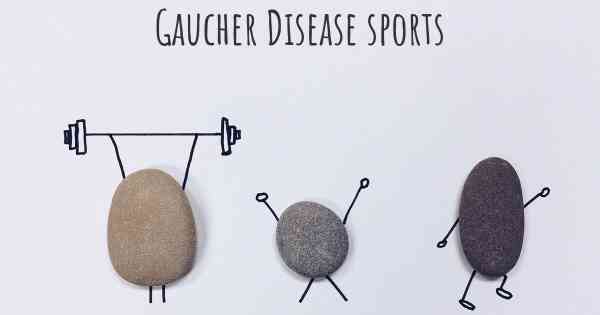
Low-impact activities that minimize joint stress are the gold standard for those with Gaucher disease. These exercises help build the muscular support needed to protect your joints and skeleton. Recommended activities include:
It is important to avoid high-impact or contact sports that carry a significant risk of bone trauma, particularly if your Gaucher disease diagnosis includes documented bone involvement or significant splenomegaly (enlarged spleen). Activities like rugby, heavy contact martial arts, or high-intensity interval training (HIIT) with jumping movements may increase the risk of fractures or injury to the spleen. Always listen to your body; if an activity causes sharp or localized bone pain, stop immediately and consult your care team.
Safety is paramount when living with Gaucher disease. Start by consulting with your metabolic specialist or hematologist to assess your current bone health through imaging (such as DXA scans or MRI). Once cleared, follow these steps:
The 84 members of our DiseaseMaps community living with Gaucher disease often emphasize that while exercise is beneficial, "listening to your body" is the most important rule of thumb. Do not push through pain, and remember that even 10 minutes of movement is a victory.
Medical disclaimer: This information is for educational purposes only and does not replace professional medical advice, diagnosis, or treatment; always consult with your specialist regarding your specific health needs.