Short answer · Medically reviewed summary · Last updated: 2026-04-07
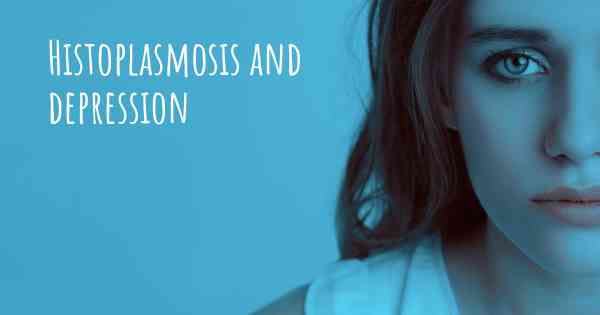
Histoplasmosis is a fungal infection that can lead to significant psychological distress due to its often chronic, fatiguing nature and the potential for systemic complications. While Histoplasmosis does not have a direct, universal biochemical link to clinical depression, the burden of managing a serious infection, coupled with potential neurological involvement in disseminated cases, frequently results in secondary anxiety, depression, and significant emotional exhaustion. How does Histoplasmosis impact mental health? Living with Histoplasmosis, particularly in chronic or disseminated forms, creates a unique psychological burden.
Histoplasmosis is a fungal infection that can lead to significant psychological distress due to its often chronic, fatiguing nature and the potential for systemic complications. While Histoplasmosis does not have a direct, universal biochemical link to clinical depression, the burden of managing a serious infection, coupled with potential neurological involvement in disseminated cases, frequently results in secondary anxiety, depression, and significant emotional exhaustion.
Living with Histoplasmosis, particularly in chronic or disseminated forms, creates a unique psychological burden. Patients often report high levels of anxiety related to the uncertainty of treatment duration and the fear of relapse. When Histoplasmosis affects the central nervous system (CNS histoplasmosis), it can lead to direct neurological symptoms, including confusion, personality changes, or cognitive deficits, which may mimic or exacerbate depressive symptoms. Even in non-CNS cases, the systemic nature of the infection—often characterized by prolonged fever, cough, and severe lethargy—creates a state of chronic physical illness that is well-documented to trigger clinical depression.
The emotional impact of Histoplasmosis is often tied to the disruption of daily life. Because the recovery process can be protracted, many patients experience feelings of isolation, frustration, and a loss of identity if they are unable to work or participate in social activities. The interplay between physical symptoms and mental health is cyclical:
Recognizing the shift from "illness-related sadness" to clinical depression is vital for those managing Histoplasmosis. You should consult a professional if you notice a persistent low mood, loss of interest in hobbies, significant changes in sleep patterns (beyond what is caused by physical pain), or feelings of worthlessness that last longer than two weeks. It is important to remember that asking for help is a sign of strength, especially when your body is already fighting a complex infection like Histoplasmosis.
Treatment for mental health concerns in the context of Histoplasmosis should be multidisciplinary. Cognitive Behavioral Therapy (CBT) is highly effective at helping patients reframe negative thought patterns associated with chronic illness. Acceptance and Commitment Therapy (ACT) is also beneficial for those struggling to accept the limitations imposed by their physical health. If medication is required, your psychiatrist must coordinate with your infectious disease specialist, as some antifungal medications used for Histoplasmosis can have drug-drug interactions with common antidepressants.
Medical disclaimer: This information is for educational purposes only and does not constitute medical advice, diagnosis, or treatment; always seek the advice of your physician or other qualified health provider with any questions regarding a medical condition.