Short answer · Medically reviewed summary · Last updated: 2026-04-07
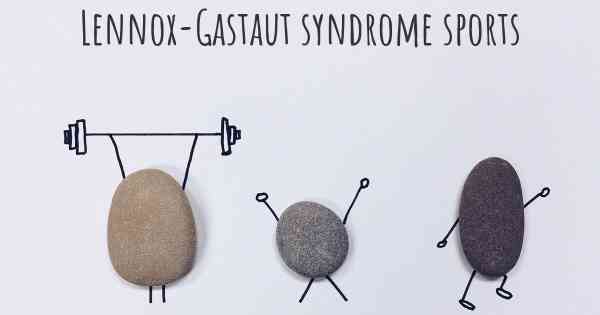
Physical activity is generally recommended for individuals with Lennox-Gastaut syndrome, as it can improve cardiovascular health, muscle tone, and overall mood while potentially reducing seizure frequency through better physical well-being. However, any exercise program for Lennox-Gastaut syndrome must be tailored to the individual’s seizure type and frequency, requiring prior clearance from a neurologist to ensure safety. Is exercise safe and beneficial for Lennox-Gastaut syndrome? For many living with Lennox-Gastaut syndrome, staying active is a vital part of maintaining quality of life.
3 people with Lennox-Gastaut syndrome have shared their first-person experience on this question at DiseaseMaps.
Physical activity is generally recommended for individuals with Lennox-Gastaut syndrome, as it can improve cardiovascular health, muscle tone, and overall mood while potentially reducing seizure frequency through better physical well-being. However, any exercise program for Lennox-Gastaut syndrome must be tailored to the individual’s seizure type and frequency, requiring prior clearance from a neurologist to ensure safety.
For many living with Lennox-Gastaut syndrome, staying active is a vital part of maintaining quality of life. While the risk of injury during a seizure is a valid concern, sedentary behavior can lead to secondary health issues such as obesity, reduced bone density, and muscle atrophy. Exercise helps manage the physical toll of Lennox-Gastaut syndrome by strengthening core muscles and improving balance, which can actually decrease the risk of falls during sudden seizure episodes. Furthermore, engaging in regular, moderate activity can provide emotional benefits, helping to manage the frustration and stress often associated with chronic neurological conditions.
The best activities for someone with Lennox-Gastaut syndrome are those that minimize the risk of impact or head injury while promoting stability. Low-intensity, rhythmic activities are often the most successful. Consider the following options for a safe fitness routine:
Safety is the priority when managing Lennox-Gastaut syndrome. Activities that involve high speeds, significant heights, or unpredictable environments should be avoided. Specifically, contact sports, gymnastics, climbing, or cycling on open roads carry a higher risk of severe injury should a seizure occur. Always avoid exercising alone; having a spotter who understands your specific seizure patterns is essential for safety.
Beginning an exercise program for Lennox-Gastaut syndrome should always start with a consultation with your neurologist and a physical therapist. They can help identify which movements are safe based on your seizure threshold. Start with "micro-sessions"—perhaps just 5 to 10 minutes of light movement—and gradually increase the duration as you gain confidence. On days where seizure activity is higher or medication side effects (such as drowsiness) are pronounced, it is perfectly acceptable to prioritize rest or gentle stretching over structured exercise. Pacing is key to consistency.
Physical therapy is a cornerstone of care for Lennox-Gastaut syndrome. A physical therapist can create a customized plan to address gait abnormalities, balance issues, and muscle weakness. At DiseaseMaps.org, we have seen that many of our 105 community members with Lennox-Gastaut syndrome report that professional physical therapy not only improves their physical function but also provides a sense of autonomy and accomplishment.
Medical disclaimer: This information is for educational purposes only and does not replace professional medical advice, diagnosis, or treatment; always consult your physician regarding your specific health needs.