Short answer · Medically reviewed summary · Last updated: 2026-04-07
Lennox-Gastaut syndrome is a complex, treatment-resistant form of childhood epilepsy, meaning there is no single "best" treatment; instead, therapy focuses on a multidisciplinary approach combining multiple anti-seizure medications, dietary interventions, and sometimes surgical options. Treatment for Lennox-Gastaut syndrome is highly personalized, aiming to reduce the frequency of diverse seizure types and improve the patient's quality of life under the guidance of a pediatric neurologist. What are the first-line and commonly prescribed medications for Lennox-Gastaut syndrome? Because Lennox-Gastaut syndrome is characterized by multiple, drug-resistant seizure types, patients rarely achieve seizure freedom with a single drug.
3 people with Lennox-Gastaut syndrome have shared their first-person experience on this question at DiseaseMaps.
Lennox-Gastaut syndrome is a complex, treatment-resistant form of childhood epilepsy, meaning there is no single "best" treatment; instead, therapy focuses on a multidisciplinary approach combining multiple anti-seizure medications, dietary interventions, and sometimes surgical options. Treatment for Lennox-Gastaut syndrome is highly personalized, aiming to reduce the frequency of diverse seizure types and improve the patient's quality of life under the guidance of a pediatric neurologist.
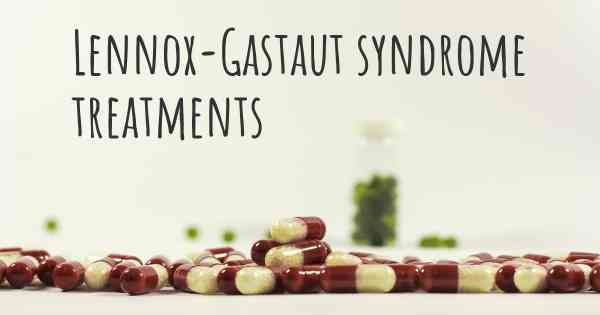
Because Lennox-Gastaut syndrome is characterized by multiple, drug-resistant seizure types, patients rarely achieve seizure freedom with a single drug. Treatment typically involves a combination of anti-seizure medications (ASMs). Common medications include valproate, lamotrigine (Lamictal), topiramate (Topamax), rufinamide (Banzel), clobazam (Onfi), and cannabidiol (Epidiolex). Felbamate (Felbatol) is also utilized, though it requires careful monitoring due to potential side effects. The choice of medication for Lennox-Gastaut syndrome depends on the specific seizure semiology and the patient’s individual tolerance to side effects.
When medications are insufficient to manage Lennox-Gastaut syndrome, non-pharmacological therapies become essential components of the care plan:
Effectiveness is highly variable because Lennox-Gastaut syndrome is a clinical diagnosis rather than a single genetic condition; its causes range from cortical malformations to genetic mutations. What works for one child may have little impact on another. Furthermore, the goal of treatment is often "seizure control" rather than total elimination, as the latter is difficult to achieve in this syndrome. Regular assessment by a specialist is vital to adjust regimens as the patient grows and their neurological needs evolve.
Managing a patient with Lennox-Gastaut syndrome requires a multidisciplinary care team to address the physical, cognitive, and social impacts of the condition. Your team should ideally include:
Medical disclaimer: This information is for educational purposes only and does not constitute medical advice; all treatment decisions must be made in consultation with your personal medical team.