Short answer · Medically reviewed summary · Last updated: 2026-04-07
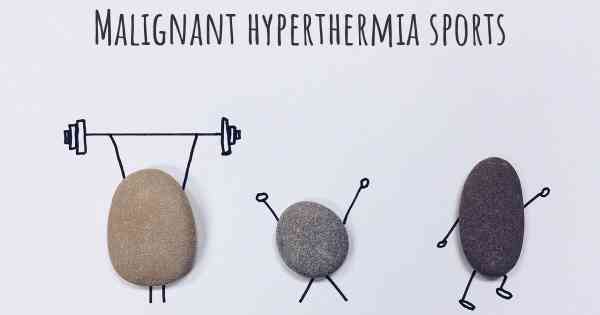
For individuals with a susceptibility to Malignant hyperthermia, regular exercise is generally considered safe and beneficial, as the condition is triggered by specific anesthetic agents rather than physical exertion. While standard exercise is not contraindicated, it is essential to maintain proper hydration and avoid extreme heat environments to support overall health and well-being. Is exercise safe for those with Malignant hyperthermia? Many patients living with Malignant hyperthermia experience significant anxiety regarding physical activity due to the fear of triggering a reaction.
1 people with Malignant hyperthermia have shared their first-person experience on this question at DiseaseMaps.
For individuals with a susceptibility to Malignant hyperthermia, regular exercise is generally considered safe and beneficial, as the condition is triggered by specific anesthetic agents rather than physical exertion. While standard exercise is not contraindicated, it is essential to maintain proper hydration and avoid extreme heat environments to support overall health and well-being.
Many patients living with Malignant hyperthermia experience significant anxiety regarding physical activity due to the fear of triggering a reaction. However, it is important to understand that Malignant hyperthermia is a pharmacogenetic disorder triggered by volatile anesthetics (like halothane) or the muscle relaxant succinylcholine, not by voluntary exercise. Clinical evidence shows that exercise does not trigger the hypermetabolic crisis associated with Malignant hyperthermia. In fact, moderate physical activity can help improve cardiovascular health, manage stress, and increase muscle strength, which may help mitigate the psychological burden of living with a rare, potentially life-threatening condition.
Because there is no clinical restriction on the type of movement for those with Malignant hyperthermia, you can generally participate in any activity you enjoy. However, it is always wise to focus on sustainable, low-to-moderate intensity routines, especially when starting out. Suggested activities include:
When starting an exercise program with Malignant hyperthermia, the "start low, go slow" principle is key. While exercise itself is safe, avoiding heat exhaustion and dehydration is a prudent strategy for any athlete. Always prioritize a gradual progression in intensity and duration. If you are having a "difficult day" due to fatigue or stress, practice pacing: shorten your session, reduce the intensity, or opt for gentle stretching instead of high-impact movement. Listen to your body and avoid exercising in extremely hot or humid environments, as these conditions can cause physical strain regardless of your genetic status.
For some patients, a physical therapist can act as a crucial partner in developing a personalized movement plan. A physical therapist can help you build confidence, ensure proper form to prevent injury, and establish a baseline for your fitness levels. If you have any co-occurring musculoskeletal concerns or are simply nervous about initiating a routine, a professional can provide the reassurance and structure needed to make movement a positive part of your life. Within the Malignant hyperthermia community at DiseaseMaps.org, many of the 42 members have found that structured, guided movement helps them reclaim a sense of control over their physical health.
Medical Disclaimer: This information is for educational purposes only and does not replace professional medical advice, diagnosis, or treatment; always seek the advice of your physician with any questions regarding your medical condition.