Short answer · Medically reviewed summary · Last updated: 2026-04-07
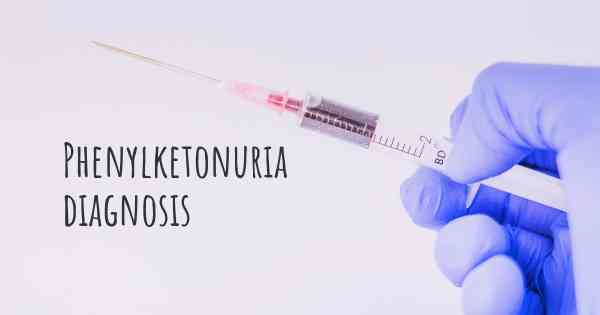
Phenylketonuria (PKU) is primarily diagnosed shortly after birth through mandatory newborn screening programs that measure phenylalanine levels in a small blood sample taken from the infant's heel. If initial screening results are elevated, a follow-up quantitative blood test is performed to confirm the diagnosis, allowing for immediate dietary intervention to prevent long-term neurological complications. How is Phenylketonuria diagnosed in newborns? The diagnostic process for Phenylketonuria is highly standardized in many developed nations.
4 people with Phenylketonuria have shared their first-person experience on this question at DiseaseMaps.
Phenylketonuria (PKU) is primarily diagnosed shortly after birth through mandatory newborn screening programs that measure phenylalanine levels in a small blood sample taken from the infant's heel. If initial screening results are elevated, a follow-up quantitative blood test is performed to confirm the diagnosis, allowing for immediate dietary intervention to prevent long-term neurological complications.
The diagnostic process for Phenylketonuria is highly standardized in many developed nations. Because early detection is critical to preventing intellectual disability, almost all newborns undergo routine screening within 24 to 48 hours of birth. A small amount of blood is collected via a heel prick and analyzed to detect elevated levels of phenylalanine. If the initial screen is positive, the infant is immediately referred to a specialized metabolic center for a confirmatory quantitative plasma amino acid analysis. A diagnosis of Phenylketonuria is confirmed when blood phenylalanine levels are consistently above 120 µmol/L (2 mg/dL), with the most severe cases (classical PKU) often showing levels exceeding 1,200 µmol/L.
While blood testing is the gold standard for immediate metabolic management, clinical geneticists often utilize molecular genetic testing to identify mutations in the PAH gene. Genetic testing for Phenylketonuria is particularly useful for:
While newborn screening has transformed the prognosis for Phenylketonuria, some individuals, particularly those born in regions without screening programs or those with milder forms of the condition, may experience a "diagnostic odyssey." These patients may present with developmental delays, behavioral issues, or unexplained cognitive impairment, leading to years of misdiagnosis. It is deeply validating to recognize that if you or a loved one were diagnosed later in life, your frustration with the medical system is shared by many in the DiseaseMaps.org community, where 381 members have navigated the challenges of living with this condition. Finding answers for Phenylketonuria can be a long process, but specialized metabolic centers are equipped to provide the clarity that general practitioners may lack.
The diagnosis and ongoing care of Phenylketonuria are best managed by a multidisciplinary team. This typically includes a metabolic specialist (a pediatrician or internist with subspecialty training in inborn errors of metabolism), a metabolic dietitian, and a clinical geneticist. These experts differentiate Phenylketonuria from other conditions that cause hyperphenylalaninemia, such as BH4 deficiency or transient tyrosinemia of the newborn. If your current provider is unfamiliar with the nuances of PKU, seeking a referral to a dedicated metabolic clinic is the most important step you can take to ensure accurate monitoring and optimal health outcomes.
Medical disclaimer: This content is for informational purposes only and does not constitute professional medical advice, diagnosis, or treatment; always seek the advice of your physician or other qualified health provider with any questions regarding a medical condition.