Short answer · Medically reviewed summary · Last updated: 2026-04-07
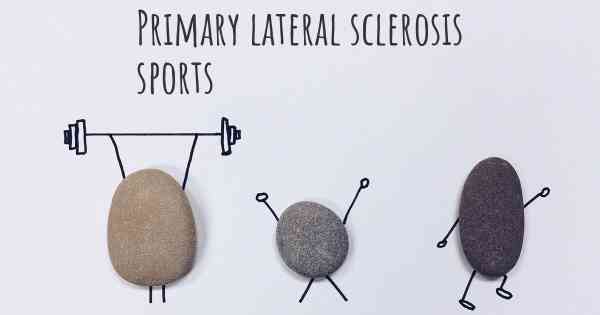
Exercise is generally recommended for individuals with Primary lateral sclerosis to maintain functional mobility, manage spasticity, and support cardiovascular health. While there is no cure for Primary lateral sclerosis, a tailored physical activity program, developed in consultation with your medical team, can significantly improve quality of life and help preserve muscle function for as long as possible. Is exercise safe for those living with Primary lateral sclerosis? For patients with Primary lateral sclerosis, movement is a vital component of symptom management.
1 people with Primary lateral sclerosis have shared their first-person experience on this question at DiseaseMaps.
Exercise is generally recommended for individuals with Primary lateral sclerosis to maintain functional mobility, manage spasticity, and support cardiovascular health. While there is no cure for Primary lateral sclerosis, a tailored physical activity program, developed in consultation with your medical team, can significantly improve quality of life and help preserve muscle function for as long as possible.
For patients with Primary lateral sclerosis, movement is a vital component of symptom management. Unlike conditions that require strict rest, maintaining activity in Primary lateral sclerosis helps combat the secondary effects of disuse, such as muscle atrophy and contractures. However, because Primary lateral sclerosis is a progressive motor neuron disease, the goal of exercise is not "gaining" muscle mass or high-intensity training, but rather "maintaining" existing function and managing spasticity. Always consult your neurologist or a physical therapist specializing in neuromuscular disorders before beginning a new regimen.
The most effective exercises for Primary lateral sclerosis prioritize low-impact movements that reduce stress on the joints while promoting range of motion. Recommended activities include:
Safety is the priority when managing Primary lateral sclerosis. Start with a "low and slow" approach. Begin by dedicating just 5 to 10 minutes to light activity and observe how your body recovers over the next 24 hours. If you experience excessive fatigue that does not resolve after a night’s sleep, decrease the intensity. It is also important to implement "pacing strategies," which involve breaking exercise into smaller sessions throughout the day rather than one long, exhausting workout. On days when your Primary lateral sclerosis symptoms feel more pronounced, prioritize rest or simple, passive range-of-motion stretching over active strengthening.
Patients with Primary lateral sclerosis should avoid high-intensity, eccentric, or exhaustive exercise. Activities that carry a high risk of falling—such as hiking on uneven terrain, contact sports, or heavy weightlifting—should be avoided to prevent injury. If you experience sudden muscle cramping or severe post-exercise exhaustion, this is a clear signal from your body to scale back the intensity of your routine.
Physical therapy is a cornerstone of care for the 24 members of our DiseaseMaps community and others living with Primary lateral sclerosis. A therapist can perform a baseline assessment to identify which muscle groups are most affected and create a personalized plan to address balance, gait, and energy conservation. Regular sessions can also help determine when assistive devices, such as braces or canes, might be needed to keep you moving safely and independently.
Medical disclaimer: This information is for educational purposes only and does not replace professional medical advice, diagnosis, or treatment; always seek the advice of your physician regarding a medical condition.