Short answer · Editorial summary · Last updated: 2023-07-10
Psittacosis, also known as Parrot Fever or Ornithosis, is a rare infectious disease caused by the bacterium Chlamydia psittaci. This condition primarily affects birds, particularly parrots, parakeets, and other similar species, but it can also be transmitted to humans through inhalation of contaminated droppings, feathers, or respiratory secretions.
16
ICD10 code of Psittacosis and ICD9 code
ICD-10 and ICD-9 codes for Psittacosis, with classification details for clinicians, coders and patients.
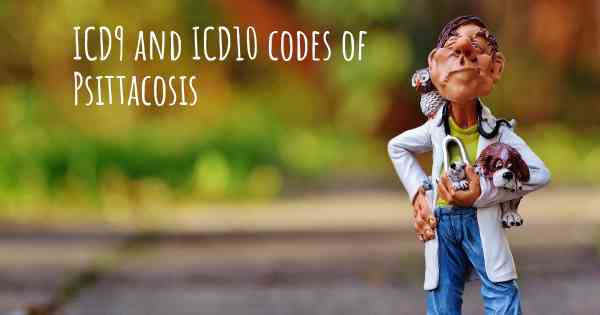
Psittacosis, also known as Parrot Fever or Ornithosis, is a rare infectious disease caused by the bacterium Chlamydia psittaci. This condition primarily affects birds, particularly parrots, parakeets, and other similar species, but it can also be transmitted to humans through inhalation of contaminated droppings, feathers, or respiratory secretions. The ICD-10 code for Psittacosis is A70, which falls under the category of "Chlamydial infections."
Prior to the implementation of ICD-10, the ICD-9 code for Psittacosis was 073.9, which was classified under "Other specified zoonotic bacterial diseases." However, it is important to note that the transition to ICD-10 has resulted in a more specific and detailed coding system, allowing for improved accuracy and better tracking of various diseases and conditions.
Psittacosis typically manifests with flu-like symptoms such as fever, chills, headache, muscle aches, and a dry cough. In severe cases, it can lead to pneumonia and potentially life-threatening complications. Prompt diagnosis and treatment with antibiotics are crucial to prevent complications and promote recovery.
It is essential to consult with a healthcare professional for an accurate diagnosis and appropriate treatment. This response is based on general knowledge and should not replace professional medical advice.
Author: DiseaseMaps Editorial Team
Editorial review status is not recorded.
Last updated: 2023-07-10
Medical disclaimer:
This information does not substitute professional medical advice. Always consult your doctor before making health decisions.
Source:
DiseaseMaps.org