Short answer · Medically reviewed summary · Last updated: 2026-04-07
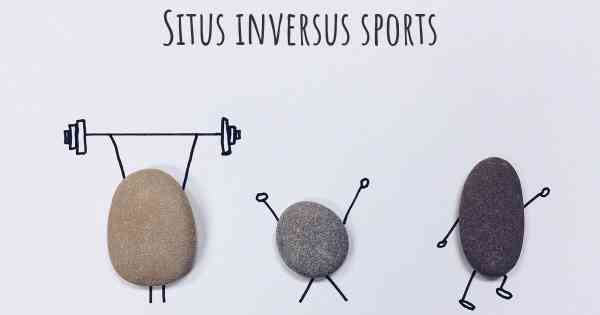
Yes, exercise is generally safe and highly recommended for individuals with situs inversus, as the condition itself is a structural anatomical variation rather than a functional limitation. While most people with situs inversus have no exercise restrictions, it is essential to consult with your physician to rule out associated conditions like Primary Ciliary Dyskinesia (PCD) or congenital heart defects before beginning a new physical routine. Is exercise safe for someone with situs inversus? For the vast majority of people, situs inversus—where the major visceral organs are mirrored from their normal positions—does not impact physical performance or cardiovascular capacity.
2 people with Situs inversus have shared their first-person experience on this question at DiseaseMaps.
Yes, exercise is generally safe and highly recommended for individuals with situs inversus, as the condition itself is a structural anatomical variation rather than a functional limitation. While most people with situs inversus have no exercise restrictions, it is essential to consult with your physician to rule out associated conditions like Primary Ciliary Dyskinesia (PCD) or congenital heart defects before beginning a new physical routine.
For the vast majority of people, situs inversus—where the major visceral organs are mirrored from their normal positions—does not impact physical performance or cardiovascular capacity. Because the heart and lungs function normally in uncomplicated situs inversus, your body responds to exercise just like anyone else’s. Engaging in regular physical activity is beneficial for cardiovascular health, muscle strength, and mental well-being, helping to reduce the anxiety that sometimes accompanies living with a rare anatomical diagnosis.
There are no specific sports contraindicated by situs inversus alone. You should choose activities that you enjoy and that align with your current fitness level. Beneficial activities include:
While situs inversus is often asymptomatic, approximately 25% of individuals with "situs inversus totalis" may have Primary Ciliary Dyskinesia (PCD). If you have been diagnosed with PCD or a congenital heart anomaly alongside your situs inversus, your exercise strategy must be adapted. In these cases, focus on "pacing"—a strategy where you alternate short bursts of activity with periods of rest to avoid overexertion. Always listen to your body; if you experience shortness of breath, dizziness, or chest pain, stop immediately and consult your medical team.
Before beginning a new program, follow these steps to ensure safety:
Medical disclaimer: This information is for educational purposes only and does not replace professional medical advice, diagnosis, or treatment; always consult with your healthcare provider regarding your specific anatomical situation.