Short answer · Medically reviewed summary · Last updated: 2026-05-08
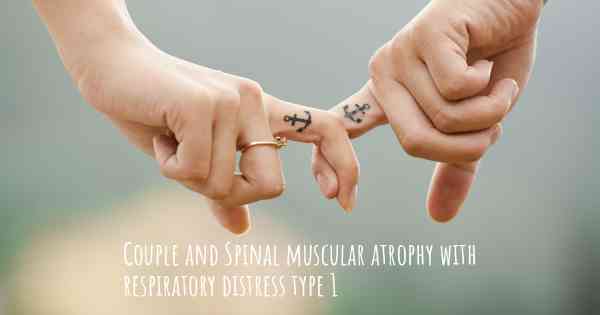
Navigating romantic relationships while living with Spinal muscular atrophy with respiratory distress type 1 (SMARD1) presents unique challenges, yet many individuals build deep, fulfilling partnerships through open communication and adaptive intimacy. While the physical requirements of managing SMARD1 necessitate logistical planning, these factors do not preclude the capacity for emotional closeness, sexual satisfaction, or long-term commitment. How does SMARD1 affect romantic relationships and intimacy? Spinal muscular atrophy with respiratory distress type 1 involves significant physical limitations, particularly regarding respiratory support and mobility.
Navigating romantic relationships while living with Spinal muscular atrophy with respiratory distress type 1 (SMARD1) presents unique challenges, yet many individuals build deep, fulfilling partnerships through open communication and adaptive intimacy. While the physical requirements of managing SMARD1 necessitate logistical planning, these factors do not preclude the capacity for emotional closeness, sexual satisfaction, or long-term commitment.
Spinal muscular atrophy with respiratory distress type 1 involves significant physical limitations, particularly regarding respiratory support and mobility. In relationships, this may necessitate a shift in how intimacy is expressed, moving from traditional physical spontaneity toward creative, adaptive forms of connection. For those with Spinal muscular atrophy with respiratory distress type 1, intimacy often requires planning for comfort and energy conservation, but it remains a vital component of a healthy partnership.
Open dialogue is essential for managing the realities of Spinal muscular atrophy with respiratory distress type 1. Couples thrive when they proactively discuss needs, such as setting boundaries between caregiving and romantic roles. Useful strategies include:
Spinal muscular atrophy with respiratory distress type 1 is an autosomal recessive disorder caused by mutations in the IGHMBP2 gene. Because there is a 25% chance of recurrence in each pregnancy for carrier parents, many couples choose to consult with a genetic counselor to explore options like preimplantation genetic testing (PGT) or donor options before starting a family.
Couples counseling is highly recommended when the stress of managing Spinal muscular atrophy with respiratory distress type 1 begins to overshadow the relationship's emotional foundation. A therapist can help navigate the complex intersection of chronic illness, caregiver burnout, and the maintenance of individual identity outside of the disease.
Medical disclaimer: This information is for educational purposes only and should not replace professional medical advice, diagnosis, or treatment.