Short answer · Medically reviewed summary · Last updated: 2026-04-07
While Uterine Fibroids can present physical and emotional challenges to intimacy and relationship dynamics, open communication and proactive management often allow couples to maintain strong, fulfilling connections. Intimacy and Physical Comfort Living with Uterine Fibroids often involves symptoms like pelvic pressure, heavy menstrual bleeding, and chronic pain, which can naturally impact sexual desire and comfort. It is important to acknowledge that physical discomfort during intercourse—dyspareunia—is a documented symptom for some patients.
While Uterine Fibroids can present physical and emotional challenges to intimacy and relationship dynamics, open communication and proactive management often allow couples to maintain strong, fulfilling connections.
Living with Uterine Fibroids often involves symptoms like pelvic pressure, heavy menstrual bleeding, and chronic pain, which can naturally impact sexual desire and comfort. It is important to acknowledge that physical discomfort during intercourse—dyspareunia—is a documented symptom for some patients. When Uterine Fibroids cause bloating or persistent pain, it is normal for a partner to feel less confident or avoid intimacy. Prioritizing honest dialogue about what positions or levels of activity feel comfortable can help reduce anxiety around physical closeness.
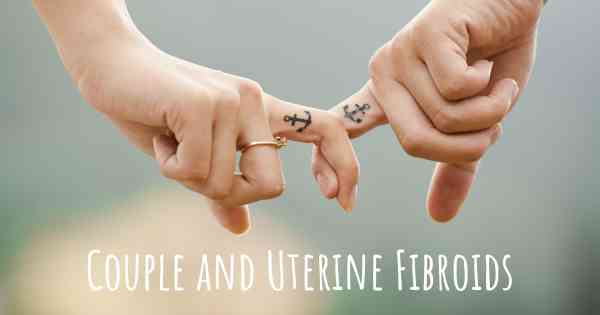
Discussing Uterine Fibroids with a partner is most effective when framed as a shared journey rather than a solitary struggle. Use "I" statements to explain how symptoms affect your energy levels or self-image. Partners often want to help but may feel helpless; providing them with specific, manageable tasks—such as attending a doctor’s appointment or helping with household chores during a flare-up—can foster team cohesion. If you find that the emotional weight of managing Uterine Fibroids is causing distance, couples counseling can provide a neutral space to navigate these feelings and improve emotional intimacy.
If you are considering pregnancy, consult with a reproductive endocrinologist early, as Uterine Fibroids can sometimes impact fertility or pregnancy outcomes depending on their size and location. While fibroids are not considered a strictly "hereditary disease" in the same way as single-gene disorders, there is a known genetic predisposition for developing them. Caregivers should practice self-care to avoid burnout; remember that supporting a partner is a marathon, and it is healthy for both partners to maintain their own individual interests and support systems.
Medical Disclaimer: This information is for educational purposes only and does not constitute medical advice. Please consult with your gynecologist or a qualified healthcare provider regarding your specific symptoms, treatment options, and reproductive health concerns.