Short answer · Medically reviewed summary · Last updated: 2026-04-07
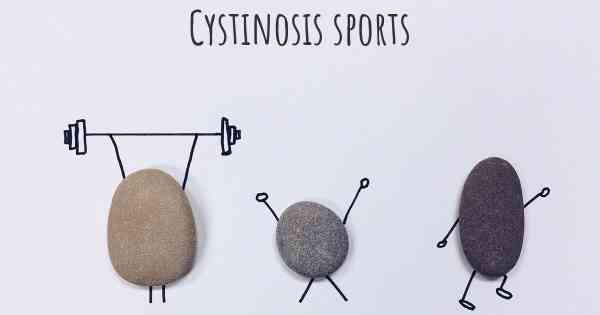
Regular, moderate exercise is generally recommended for individuals living with Cystinosis, as it can help maintain muscle mass, bone density, and cardiovascular health, provided it is tailored to an individual’s specific renal and metabolic status. Safety and Benefits of Movement Living with Cystinosis often involves challenges related to muscle wasting (myopathy) and bone health (renal rickets). Physical activity is essential to combat these effects.
1 people with Cystinosis have shared their first-person experience on this question at DiseaseMaps.
Regular, moderate exercise is generally recommended for individuals living with Cystinosis, as it can help maintain muscle mass, bone density, and cardiovascular health, provided it is tailored to an individual’s specific renal and metabolic status.
Living with Cystinosis often involves challenges related to muscle wasting (myopathy) and bone health (renal rickets). Physical activity is essential to combat these effects. Engaging in low-impact activities like walking, swimming, or restorative yoga can improve joint mobility and balance without placing excessive strain on the kidneys. Strength training, performed with light resistance and proper form, is particularly beneficial for counteracting the muscle weakness often associated with Cystinosis.
Before beginning any new regimen, you must obtain medical clearance from your nephrologist, as your hydration needs and electrolyte levels must be carefully monitored. Always start with a very gradual progression; even five to ten minutes of light movement can provide significant benefits. It is vital to prioritize "pacing"—on days when fatigue or renal symptoms are more pronounced, choose gentle stretching or seated exercises rather than skipping activity entirely.
While movement is encouraged, high-intensity contact sports or activities that risk severe dehydration should be approached with extreme caution. Because Cystinosis affects the body’s ability to handle fluid and electrolyte balance, avoid training in extreme heat or humidity. Always ensure you have adequate access to water and necessary medications during your workout.
Physical therapy is a cornerstone of care for many in the Cystinosis community. A specialized physical therapist can design a personalized program that addresses specific areas of weakness or gait instability, ensuring that your exercise routine supports your long-term health rather than causing injury. Staying active is a powerful way to manage the physical and emotional burden of this condition, fostering both strength and resilience.
Disclaimer: This information is for educational purposes and does not replace professional medical advice. Always consult your nephrology and multidisciplinary care team before beginning any new exercise program to ensure it is safe for your specific health profile.